
Key Takeaways
Filter bag failure is rarely caused by the bag alone. In most baghouse systems, premature failure comes from poor airflow distribution, incorrect filter media, moisture, chemical attack, abrasion, overheating, improper installation, or weak maintenance.
The key rule is simple: do not replace failed filter bags until you understand why they failed. If the root cause is not corrected, new bags may fail in the same way.
Omela Filtration provides engineered industrial dust filter bags for cement, steel, power plants, asphalt mixing, chemical processing, waste incineration, metallurgy, and other demanding dust collection applications.
Why Filter Bag Failure Matters
Filter bags are the core filtration element inside a baghouse dust collector. When they work properly, the system maintains stable airflow, low emissions, and predictable differential pressure.
When filter bags fail, common symptoms include visible dust emissions, unstable differential pressure, dust leakage into the clean-air chamber, frequent pulse cleaning, reduced airflow, broken seams, holes, shrinkage, blinding, and unplanned shutdowns.
A baghouse should always be treated as a complete system. Airflow, temperature, dust loading, moisture, gas chemistry, cages, pulse cleaning, and hopper discharge all affect filter bag life.
1. Poor Baghouse Design
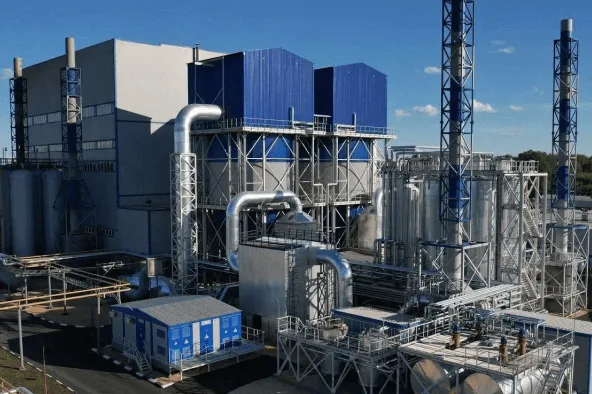
An undersized baghouse is one of the most common causes of premature filter bag failure. If the collector has too little filtration area, too much air passes through each filter bag, creating a high air-to-cloth ratio.
This can cause fast dust buildup, high differential pressure, aggressive pulse cleaning, dust penetration, shorter bag life, and increased emissions.
Warning Signs
- High pressure drop soon after installing new bags
- Uneven dust cake across different bag rows
- Frequent pulse cleaning
- Early failure in specific bag rows
- Visible emissions after a short operating period
Before replacing bags, check actual airflow, filtration area, dust loading, air-to-cloth ratio, and duct velocity. For more selection guidance, refer to Omela’s article on dust properties and baghouse filter bag selection.
2. Poor Inlet Design and Uneven Airflow
Even the right filter media can fail early if dirty air is not distributed evenly inside the baghouse.
Poor inlet design may cause high-velocity dust to impact certain bags directly. This often leads to localized abrasion, especially near the lower bag section or inlet-side rows.
Common Signs
- Holes on inlet-side bags
- Heavy dust buildup in one area
- Uneven dust cake
- Bottom bag abrasion
- Premature failure in the first rows
Possible solutions include inlet baffles, abrasion shields, lower inlet velocity, improved hopper discharge, wear sleeves, and better airflow distribution. If the same area fails repeatedly, the problem is usually airflow, not filter bag quality.
3. Hopper and Dust Discharge Problems
A baghouse hopper should not be used as a dust storage bin. If dust is not discharged properly, it can build up and re-enter the filter area.
Common Hopper Problems
- Rotary valve leakage
- Screw conveyor blockage
- Dust bridging
- Air leakage through the discharge system
- Hopper dust buildup
- Moisture causing sticky dust
These problems can cause dust re-entrainment, bottom bag abrasion, unstable differential pressure, and repeated bag failure. A good maintenance inspection should always include the hopper, rotary valve, screw conveyor, and discharge seals.
4. Overheating and Thermal Damage
Every filter media has a temperature limit. If the actual gas temperature exceeds that limit, the fibers may lose strength.
Thermal Damage May Appear As
- Bag shrinkage
- Hardening
- Brittleness
- Seam failure
- Melting or glazing
- Sudden dust leakage
Common causes include temperature spikes, wrong media selection, poor temperature monitoring, hot sparks, and startup or shutdown thermal shock.
For dry, medium-high-temperature applications, Omela provides aramid high-temperature dust filter bags for asphalt mixing, cement, lime, and other industrial dust collection systems.
5. Chemical Attack
Chemical attack weakens filter fibers over time. The bag may look normal at first, but it gradually loses tensile strength.
Common Chemical Risks
- SO2 and SO3
- NOx
- HCl
- HF
- Alkali dust
- Solvent vapor
- High oxygen content
- Acid dew point corrosion
- Moisture plus acidic gas
Typical symptoms include weak fabric, seam failure, brittle bags, cage corrosion, and dust leakage without obvious large holes.
For flue gas with acidic components and moisture, PPS filter bags are commonly used in boiler, power plant, and kiln applications.
6. Moisture and Dust Blinding
Moisture is one of the most serious causes of baghouse instability. When gas temperature drops below the dew point, moisture condenses on the filter media. Dust then becomes sticky and forms a hard layer that normal pulse cleaning cannot remove. This is called blinding.
Moisture-Related Problems
- High differential pressure
- Sticky dust cake
- Corrosion
- Poor pulse cleaning
- Hopper bridging
- Short bag life
Prevention methods include keeping gas temperature above dew point, using dry compressed air, checking air dryers, insulating ducts, avoiding cold startup, and choosing hydrolysis-resistant media when needed.
7. Abrasion
Abrasion happens when sharp, heavy, or high-velocity dust repeatedly strikes or rubs against the filter bag. It is common in cement plants, steel plants, foundries, mining, crushing, asphalt mixing, lime kilns, and mineral processing.
Common Abrasion Signs
- Holes near the bag bottom
- Wear on inlet-side bags
- Vertical wear marks along cage wires
- Localized thinning
- Bag-to-cage rubbing
Prevention methods include improving inlet airflow, using wear sleeves, replacing damaged cages, reducing inlet velocity, checking bag-cage fit, and selecting stronger media.
8. Incorrect Filter Media Selection
Filter bag selection should not be based only on price or temperature rating. The correct media depends on operating temperature, peak temperature, dust abrasiveness, moisture content, gas chemistry, particle size, emission requirements, cleaning method, air-to-cloth ratio, and static electricity risk.
For example, polyester may fail quickly in hot acidic flue gas, while standard felt may blind quickly in sticky or ultra-fine dust. High-temperature, chemical, or abrasive applications may require aramid, PPS, P84, fiberglass, PTFE, or PTFE membrane media.
A reliable filter bag supplier should ask about working conditions before quoting.
9. Improper Installation and Poor Bag-Cage Fit
Many filter bag failures begin during installation. Even high-quality bags can fail early if they are not installed correctly.
Common Installation Problems
- Bags damaged during handling
- Snap band not seated correctly
- Bag too loose or too tight
- Bent or corroded cages
- Rough cage welds
- Wrong bag length
- Poor tubesheet sealing
- Blow pipe misalignment
A loose bag may rub against the cage, while a tight bag may tear or fail at the seam. For correct installation steps, refer to Omela’s guide on how to install and replace filter bags in a baghouse dust collector.
10. Improper Pulse Cleaning
Pulse-jet cleaning should remove excess dust cake, not strip the bag completely clean. If pulse pressure is too high or cleaning is too frequent, the bags may suffer flex fatigue. If cleaning is too weak, dust cake becomes too thick and differential pressure rises.
Cleaning Parameters to Check
- Pulse pressure
- Pulse duration
- Cleaning frequency
- Solenoid valves
- Diaphragm valves
- Compressed air quality
- Blow pipe alignment
- Differential pressure setpoints
The goal is stable differential pressure, not perfectly clean bags.
11. Cage Corrosion and Mechanical Damage
Cages support filter bags during operation. If cages are corroded, bent, rough, or incorrectly sized, they can damage the bags from the inside.
Cage-Related Failure Signs
- Vertical wear marks
- Holes at cage wire contact points
- Bag twisting
- Internal abrasion
- Tearing near the top or bottom
In moist or corrosive gas conditions, consider epoxy-coated, silicon-coated, galvanized, or stainless steel cages depending on the application. The filter bag and cage should always be treated as a matched system.
12. Poor Maintenance
A consistent maintenance schedule can greatly extend filter bag life.
Daily Checks
- Differential pressure
- Visible emissions
- Compressed air pressure
- Hopper discharge
- Pulse valve operation
Weekly Checks
- Rotary valves
- Screw conveyors
- Air leaks
- Solenoid valves
- Condensate drains
- Access door seals
Monthly Checks
- Bag condition
- Cage condition
- Blow pipe alignment
- Tubesheet sealing
- Inlet baffles
- Fan condition
Omela’s baghouse dust collector maintenance guide provides a more complete inspection framework.
Filter Bag Failure Troubleshooting Table
| Symptom | Likely Cause | What to Check |
| High differential pressure | Moisture, blinding, poor cleaning, undersized collector | Dew point, pulse system, air-to-cloth ratio, dust properties |
| Sudden low differential pressure | Torn bags, leaks, bag detachment | Clean-air chamber, tubesheet, bag seating |
| Holes near bag bottom | Abrasion, high inlet velocity, hopper re-entrainment | Inlet design, hopper discharge, wear sleeves |
| Vertical wear marks | Cage abrasion | Cage condition, cage diameter, bag fit |
| Bag shrinkage | Overheating | Temperature peaks, media rating, spark control |
| Sticky dust cake | Moisture or oily dust | Dew point, humidity, process changes |
| Seam failure | Over-cleaning or wrong thread material | Pulse pressure, cleaning frequency, sewing material |
Practical Case Examples
Case 1: Cement Plant Abrasion
A cement plant found holes near the lower section of the bags, especially on the inlet side. The root cause was high-velocity abrasive dust hitting the first bag rows.
Recommended actions included inlet baffles, wear sleeves, airflow review, cage inspection, and stronger filter media.
Case 2: Boiler Baghouse Moisture
A boiler baghouse experienced high differential pressure after startup. Inspection found condensation, sticky fly ash, and cage corrosion.
Recommended actions included keeping gas temperature above dew point, checking compressed air dryers, improving startup procedures, and considering PPS or PTFE-based media.
Case 3: Asphalt Plant Overheating
An asphalt plant found brittle and shrunken bags. The cause was short-term temperature spikes above the media rating.
Recommended actions included reviewing peak temperature data, improving alarms, and selecting aramid or other suitable high-temperature media.
How to Prevent Filter Bag Failure
To prevent repeated bag failure, plants should confirm real operating airflow and temperature, monitor differential pressure trends, control dew point and moisture, improve inlet airflow distribution, maintain hopper discharge, inspect cages before installing new bags, select media based on full working conditions, control pulse cleaning pressure and frequency, build a regular maintenance schedule, and analyze failed bags before replacement.
When Should Filter Bags Be Replaced?
Filter bags should be replaced when they can no longer maintain filtration performance, airflow, or emission control.
Common Replacement Signs
- Visible holes or tears
- Dust leakage
- High emissions
- Permanent blinding
- Chemical degradation
- Shrinkage
- Seam failure
- Loss of fabric strength
- Oil or sticky contamination
Before replacing all bags, always identify the failure mode first.
Final Recommendation
Filter bag failure is a warning signal from the entire baghouse system. The root cause may be poor design, airflow imbalance, overheating, chemical attack, moisture, abrasion, improper installation, cage damage, or incorrect media selection.
The best solution is not simply replacing bags. It is identifying the cause, correcting the system problem, and selecting the right filter media for the real operating conditions.
Omela Filtration helps industrial plants diagnose filter bag failure and select suitable dust filter bags for high-temperature, corrosive, abrasive, and moisture-sensitive applications.
FAQ
1. What is the most common cause of filter bag failure?
The most common causes are high air-to-cloth ratio, wrong filter media selection, abrasion, moisture, chemical attack, overheating, poor installation, and improper pulse cleaning.
2. Why do filter bags fail soon after installation?
Early failure is often caused by poor bag-cage fit, damaged cages, incorrect snap band seating, blow pipe misalignment, wrong bag size, or installation damage.
3. How does moisture damage filter bags?
Moisture makes dust sticky and forms a dense layer on the filter media. This blocks airflow, increases differential pressure, causes corrosion, and prevents normal cleaning.
4. Can high differential pressure damage filter bags?
Yes. High differential pressure increases stress on the filter media and often leads to more aggressive pulse cleaning, which can shorten bag life.
5. How do I know if filter bag failure is caused by abrasion?
Abrasion usually appears as holes, thinning, or wear marks in specific areas, such as the lower bag section, inlet-side rows, or along cage wires.
6. What filter media should I choose for high-temperature dust collection?
Common high-temperature options include aramid, PPS, P84, fiberglass, and PTFE. The correct choice depends on temperature, gas chemistry, moisture, and dust type.
7. How can baghouse maintenance extend filter bag life?
Regular inspection of differential pressure, pulse cleaning, compressed air quality, hopper discharge, cages, blow pipes, airflow, and emissions helps detect problems early.
Author

Jessica Ma – Senior Filtration Engineer, Omela Filtration
Jessica Ma is a senior filtration engineer at Omela Filtration, specializing in dust and liquid filtration. With over 15 years of experience, she focuses on optimizing baghouse performance, enhancing filtration efficiency, and developing high-performance solutions for industrial dust collectors and precision liquid filtration applications.