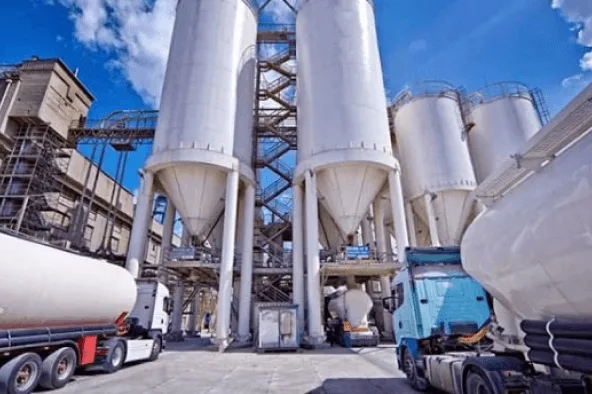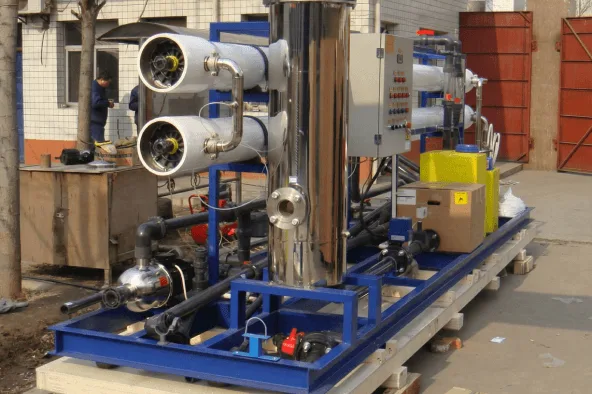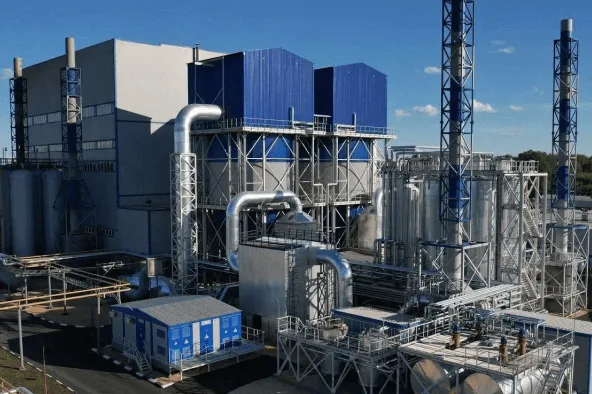
Coal-fired Power Plants Dust Filtration
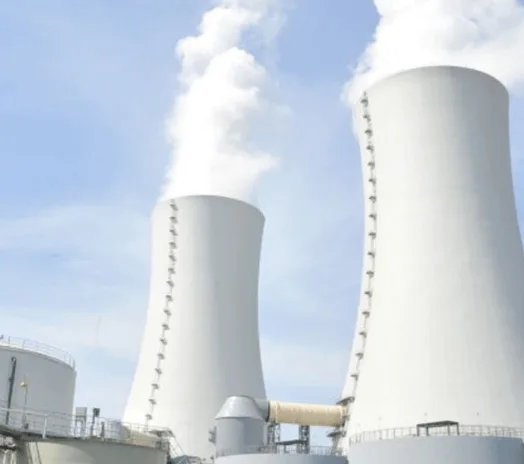
Coal-fired Power Plants Dust Filtration Solutions
Coal-fired power plants generate complex particulate emissions across coal handling, combustion, and ash handling.
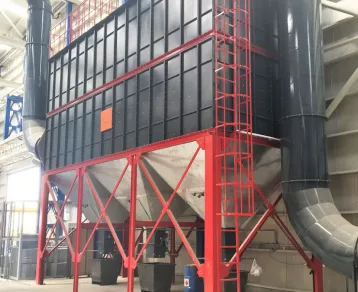
A well-selected baghouse system—paired with the right filter media and maintenance strategy—helps control particulate
matter and supports compliance and stable operation.
Coal Handling & Conveying
- Fugitive coal dust at transfer points, crushers, and conveyors
- Fine dust dispersion risks (worker exposure / housekeeping burden)
Boiler / Combustion (Flue Gas Particulate)
- Particulate matter (PM) carried in flue gas stream
- Multi-pollutant context: PM often discussed alongside SO₂, NOx, Hg, VOCs
Ash Handling (Fly Ash / Bottom Ash)
- Fine ash and dust during collection, conveying, unloading
- Maintenance/cleanliness is a persistent operational theme
Coal-Fired Power Plant Dust Filtration Challenges
Coal-fired power plants generate particulate emissions at multiple stages, from coal handling to combustion and ash management. Each stage presents distinct dust characteristics and filtration challenges.
Coal Handling & Conveying
- Fugitive coal dust at crushers, transfer points, and conveyors
- Fine and respirable dust dispersion
- High exposure risk during loading and unloading
Coal Pulverizing & Boiler Feed
- Very fine pulverized coal particles
- High dust explosibility potential
- Continuous high-load operation
Boiler & Combustion Flue Gas
- Particulate matter carried in high-temperature flue gas
- Variable dust loading under changing boiler conditions
- Multi-pollutant environment (PM with SO₂ / NOx / Hg context)
Fly Ash Collection & Handling
- Fine ash particles with high dispersibility
- Abrasive characteristics accelerating equipment wear
- Dust release during discharge and transfer
Bottom Ash Handling
- Coarse and fine ash mixture
- Intermittent dust release during removal
- Housekeeping and maintenance challenges
Crystalline Silica Exposure Risk
- Crystalline silica present in coal and ash dust
- Health risk from inhalation of respirable particles
- Compliance-driven dust control requirements
Engineered Solutions
Omela Filtration Solutions for Coal-fired Power Plants
Coal-fired power plants generate complex particulate emissions across coal handling, combustion, and ash management processes. High dust loading, fine fly ash, crystalline silica exposure, and fluctuating operating conditions place demanding requirements on dust filtration systems.
Omela provides engineered dust filtration solutions to help coal-fired power plants achieve reliable particulate control, stabilize differential pressure, and support long-term compliance with environmental and occupational exposure standards. Our solutions are designed to operate under high-temperature flue gas conditions while maintaining consistent filtration efficiency.
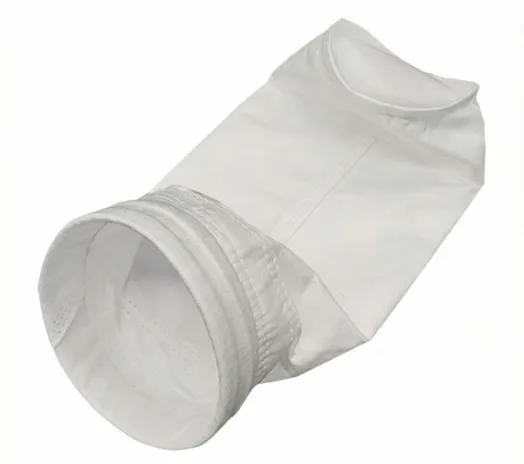
From baghouse configuration and filter media selection to cage design and maintenance optimization, our engineers work closely with plant operators to tailor filtration systems for each critical process area. This approach reduces unplanned downtime, improves system reliability, and lowers total cost of ownership (TCO).
Typical Operating Conditions in Coal-Fired Power Plant Baghouses
| Process Section | Location | Normal Gas Temp. | Peak Temp. | Dust Characteristics | Operating Mode |
| Coal Handling | Crusher house / transfer points | Ambient–60 °C | 80 °C | Coarse to fine coal dust, combustible, respirable | Intermittent, high fugitive dust release |
| Coal Pulverizer | Pulverizer outlet / feeder system | 70–120 °C | 140 °C | Very fine pulverized coal dust, explosive risk | Continuous during boiler operation |
| Boiler Flue Gas | Boiler outlet / duct to baghouse | 150–180 °C | 200–220 °C | Fine fly ash, chemically active, acidic components | Continuous, variable load conditions |
| Fly Ash Collection | Baghouse hopper / ash discharge | 120–160 °C | 180 °C | Fine, abrasive fly ash, high dispersibility | Continuous with periodic discharge |
| Bottom Ash Handling | Ash extractor / conveyor system | 80–120 °C | 150 °C | Coarse ash with fine particulate carryover | Intermittent, localized dust release |
Recommended Filter Bag Constructions for Coal-Fired Power Plant Applications
| Process Section | Recommended Media | Felt Weight | Finish / Surface Treatment | Typical Bag Design | Cage Recommendation |
| Coal Handling | Polyester or antistatic needle felt | 500–550 g/m² | Antistatic treatment, singed finish | Snap-band top, reinforced seams | Carbon steel cage, standard wire spacing |
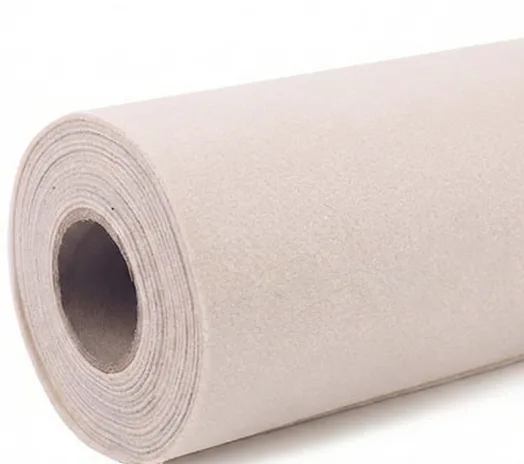
| Coal Pulverizer | Aramid or PPS needle felt | 500–550 g/m² | Calendered, optional PTFE surface finish | Reinforced top cuff, wear patches | Carbon steel cage with venturi |
| Boiler Flue Gas | PPS needle felt or PTFE membrane laminated PPS | 500–600 g/m² | PTFE membrane, acid & alkali resistant finish | Pulse-jet bags with high-temperature seams | Carbon or stainless steel cage, reinforced design |
| Fly Ash Collection | PPS or fiberglass with PTFE membrane | 550–800 g/m² (fiberglass) | PTFE membrane, anti-adhesion finish | Heavy-duty bags with reinforced bottom | Stainless steel cage, 12–16 vertical wires |
| Bottom Ash Handling | Polyester or aramid needle felt | 500–550 g/m² | Anti-abrasion finish, singed outside | Standard pulse-jet bags with wear protection | Thicker wire cage, close pitch spacing |
600 MW Coal-Fired Power Plant – Baghouse Performance Optimization
The existing baghouse system at Calaca Power Plant was suffering from unstable differential pressure, elevated stack particulate emissions, and accelerated filter bag wear due to fine fly ash, high moisture conditions, and corrosive flue gas components.
The plant required a reliable filtration upgrade to improve long-term operational stability, meet tightening environmental compliance targets, and reduce unplanned maintenance events under coastal operating conditions.
Operating Conditions & Challenges
| Gas Temperature | 150–180 °C (peak 210 °C) |
| Dust Loading | 35–55 g/Nm³, fine fly ash with high dispersibility |
| Dust Characteristics | Fine particulate, moderate abrasion, trace acidic components, possible crystalline silica |
| Air-to-Cloth Ratio | 1.0–1.3 m/min |
| Existing Emissions | ≈ 45–60 mg/Nm³ |
| Existing DP | 1,600–2,100 Pa, unstable |
Omela Engineering Solution
- Filter Media & Bag Design (PPS needle felt with PTFE membrane for fine fly ash)
- Cage & Hardware Upgrade (heavy-duty cages with reinforced top & bottom rings)
- Pulse Jet Cleaning Optimization (stable dust cake formation, reduced pressure drop fluctuation)
- Leak Detection & Sealing (tube sheet interface and leak points sealing improvement)
After the upgrade with Omela’s PPS membrane filter bags and baghouse tuning, particulate emissions have remained consistently below 20 mg/Nm³.
Differential pressure is now stable, and filter bag failures have been significantly reduced.
55%

Annual Cost Reduction
Lower bag replacement frequency, fewer unplanned outages, and reduced compressed air usage cut overall baghouse operating cost by up to 55%.
Measured Results
| Parameter | Before Upgrade | After Omela Solution |
| Stack Emissions | 45–60 mg/Nm³ | 12–18 mg/Nm³ |
| Differential Pressure | 1,600–2,100 Pa (unstable) | 1,100–1,350 Pa (stable) |
| Filter Bag Service Life | 12–15 months (average) | Target 30–36 months (projected, based on first 12 months) |
| Unplanned Shutdowns | 3–4 per year | 1 per year (for inspection only) |
| Compressed Air Consumption | 100% | ≈ 12–18% reduction |
Reduce
Filtration Costs
Significantly
Longer bag life, fewer change-outs, and lower total cost of ownership (TCO). Let our experts show you how much you can save.
Frequest Asked Questions
Coal-fired power plants generate dust at multiple process stages, each with different characteristics:
- Coal handling & conveying – fugitive coal dust at crushers and transfer points
- Coal pulverizing systems – very fine pulverized coal with explosion risk
- Boiler flue gas – fine fly ash carried with hot, chemically active gas
- Fly ash collection & discharge – highly dispersible fine particulate
- Bottom ash handling – coarse ash with localized dust release
Each source requires different filtration design considerations, particularly for temperature, dust fineness, and operating mode.
Baghouse systems are widely adopted because they:
- Provide high-efficiency particulate matter (PM) removal
- Handle fine fly ash more effectively than many legacy systems
- Maintain stable emissions under variable boiler load
- Support retrofits from ESP to baghouse when lower emissions are required
In coal-fired applications, long-term stability and maintenance performance are often more critical than peak collection efficiency alone.
The most commonly recommended filter media include:
- PPS needle-punched felt
- Good resistance to heat, acid gases, and fly ash
- Widely accepted by EPCs and plant operators
- PTFE membrane laminated PPS
- Enhanced fine particle capture
- Lower and more stable differential pressure
- Fiberglass with PTFE membrane (for higher temperature zones)
- Suitable when gas temperatures exceed PPS limits
⚠️ Polyester or polypropylene felts are generally not recommended for main boiler flue gas due to temperature and chemical limitations.
Most coal-fired power plant baghouses operate within:
- 1.0–1.3 m/min (typical range)
Key considerations:
- Lower ratios improve pressure stability and bag life
- Higher ratios increase dust loading stress and cleaning frequency
- Final selection depends on:
- Fly ash characteristics
- Emission targets
- Available baghouse footprint
Typical triggers include:
- Increasing emission limits or compliance pressure
- Frequent filter bag failures
- Unstable differential pressure
- High maintenance or compressed air costs
- ESP performance limitations
Baghouse retrofits are often implemented without major structural changes, focusing on media, cages, and cleaning optimization.
Common causes include:
- Inappropriate filter media selection
- Excessive dust cake buildup
- Poor pulse-jet cleaning efficiency
- Air leakage at tube sheet or bag interfaces
- Moisture or condensation inside the baghouse
A stable baghouse system requires media selection, cage design, cleaning parameters, and sealing to work together as a system.
There is no single “one-size-fits-all” solution. Selection should consider:
- Process location (boiler, fly ash, coal handling)
- Gas temperature and chemical composition
- Dust particle size and abrasiveness
- Operating mode (continuous vs intermittent)
- Maintenance strategy and lifecycle cost
This is why coal-fired power plants typically use different filter constructions across different sections.
Yes. Well-engineered baghouse upgrades can lead to:
- Longer filter bag service life
- Fewer unplanned shutdowns
- Reduced compressed air consumption
- Lower maintenance labor requirements
In many cases, plants report 40–60% reduction in baghouse-related operating costs, depending on site conditions and maintenance practices.
Coal and ash dust may contain respirable crystalline silica, which:
- Poses serious long-term health risks when inhaled
- Is often regulated under occupational exposure standards
- Is most critical during:
- Coal handling
- Fly ash discharge
- Maintenance activities
Baghouse filtration plays a key role in capturing fine respirable particles and reducing workplace exposure risk.