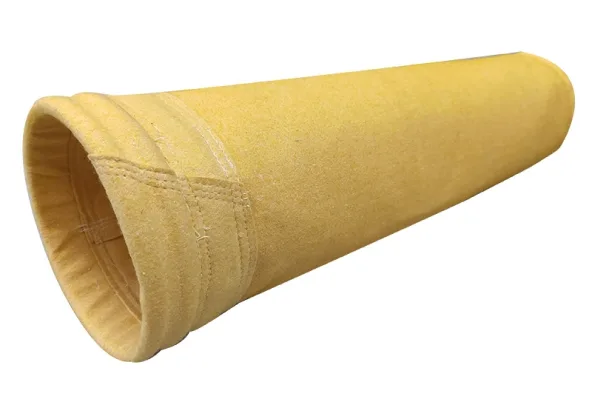
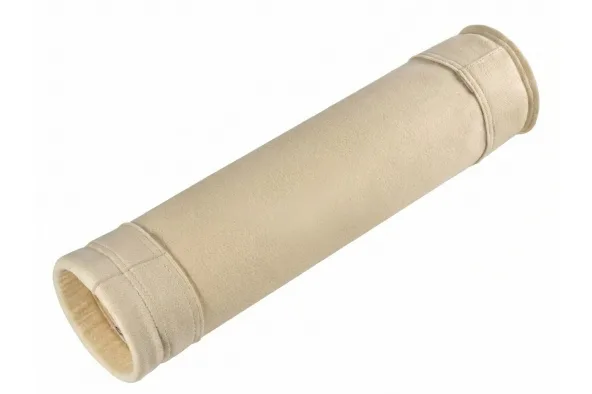
Pleated(Star) Filter Bags Filter Bags

Pleated Filter Bags Overview

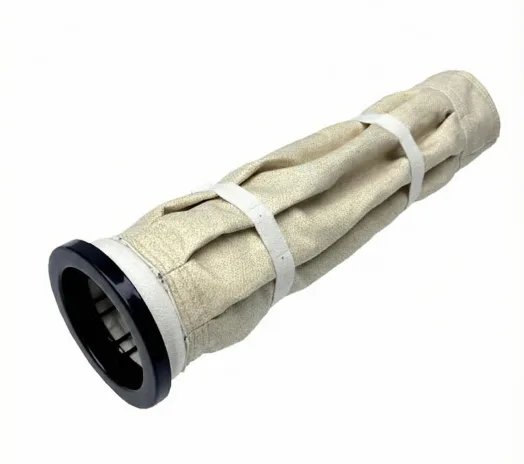
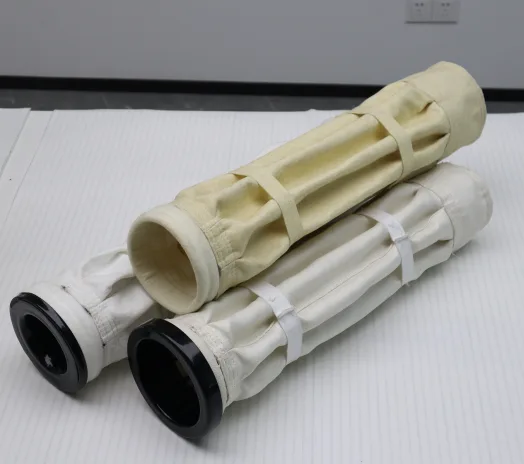
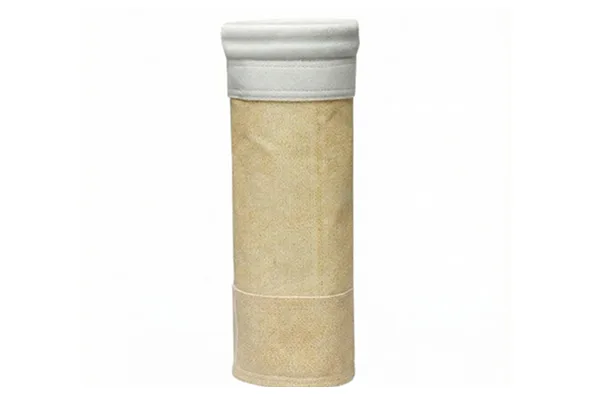
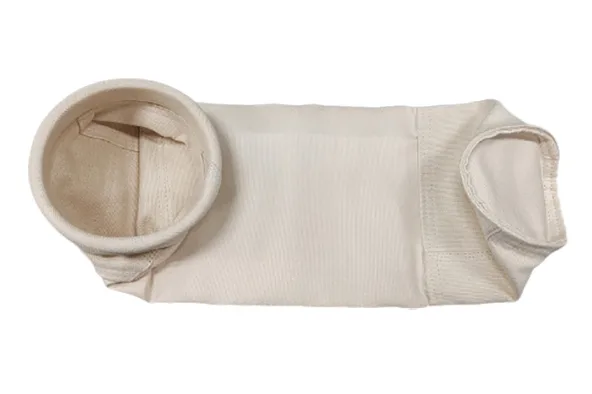
Pleated filter bags are engineered to upgrade traditional baghouse performance by combining the surface area and rigidity of a cartridge-style element with the dimensional flexibility of a fabric filter. Pleated bags are widely used in cement mills, grain processing facilities, powder coating lines, pharmaceuticals, metalworking, and general industrial dust collection, where fine particulate and high dust-loading conditions require stable airflow and longer service life.

Key Design Advantages

  • Combine the structure of cartridge filters with the adaptability of fabric bags
  • Replace longer felt bags with shorter pleated elements
  • Provide 2–3× more filtration area in the same space
  • Improve airflow distribution and dust collection efficiency
  • Reduce system pressure drop and overall fan energy consumption
  • Ideal for retrofits where air-to-cloth ratio is insufficient
  • Maintain rigidity through an integrated reinforced internal core

Key Performance Benefits

01
Increased Filtration Area in the Same Housing

Pleated geometry can offer 100–250% more surface area than a conventional cylindrical bag, improving airflow uniformity and reducing filter loading rate.

02
Reduced Pressure Drop and Lower Energy Consumption

The surface filtration mechanism and structured pleat spacing help maintain low ΔP, resulting in reduced fan power and more stable process ventilation.

03
Longer Service Life with Less Abrasion

Unlike felt bags that rub against steel cages, pleated bags have an integrated support core, reducing mechanical wear and extending operating life in abrasive dust conditions.

04
Improved Pulse Cleaning Performance

Dust accumulates predominantly on the external pleat surface; cleaning is more efficient, requiring fewer compressed-air pulses and lowering operating cost.

05
High Efficiency for Fine Dust

Using spun-bonded polyester, PTFE membrane, or nano-coated layers, pleated bags excel in capturing very fine particulate such as cement dust, toner powders, pigments, and pharmaceutical powders.

Comparison of Media Suitable for Pleated Filter Bags

Fiber Type Continuous Operation Temperature Max Operation Temperature Resistance to Abrasion Resistance to Hydrolysis Resistance to Acid Resistance to Alkali Resistance to Oxidation
Polyvinylchloride (PVC) 75°C 80°C Excellent Good Moderate Moderate Good
Polypropylene (PP) 90°C 100°C Good Excellent Excellent Excellent Poor
Polyamide (Nylon) 110°C 115°C Excellent Poor Moderate Good Moderate
Copolymer Acrylics (PAN) 120°C 130°C Good Good Moderate Moderate Good
Temp. Resistant Polyolefin 125°C 130°C Good Excellent Excellent Excellent Poor
Homopolymer Acrylics (PAN) 125°C 140°C Good Good Good Moderate Good
Polyester (PE/PET) 130°C 150°C Excellent Poor Moderate Poor Good
Polyphenylene Sulfide (PPS/Ryton) 190°C 200°C Excellent Excellent Excellent Excellent Poor
Aramid (Nomex) 204°C 220°C Excellent Poor Moderate Good Good
Polyimide (P84) 240°C 260°C Excellent Moderate Moderate Poor Excellent
PTFE (Teflon) 260°C 280°C Moderate Excellent Excellent Excellent Good
Fiberglass 260°C 290°C Poor Excellent Good Poor Excellent

INDUSTRIAL
APPLICATIONS

Pleated filter bags are widely used in industries that require high-efficiency fine dust collection within limited space. Their expanded surface area and low pressure drop make them ideal for cement mills, grain and feed processing, powder coating systems, metalworking fumes, pharmaceuticals, food processing, and general industrial dust collection

Powder Coating & Paint Manufacturing

Powder Coating & Paint Manufacturing

Highly cohesive powders require stable surface filtration to maintain consistent product quality and dust emissions.

Cement & Lime Plants

Cement & Lime Plants

Pleated bags are ideal for mill venting, clinker handling, and silo applications where compact housings demand higher filtration area without enlarging the baghouse.

Metalworking & Welding Fume

Metalworking & Welding Fume

High efficiency synthetic media options control smoke, metallic aerosols, and fine particulate.

Engineering Support & Customization

Engineering card image

Pre-Project Technical Assessment

  • Evaluation of housing dimensions, tube sheet openings, and cage requirements for conversion from standard bags
  • Review of dust characteristics and air-to-cloth ratio to recommend pleat height and media type
  • Performance modelling for ΔP reduction and expected lifetime improvements
  • Trial pleated elements for on-site comparison
Engineering card image

Custom Engineering Solutions

  • Media selection: spun-bond polyester, anti-static, oil-repellent, PTFE membrane, or nano-coated surfaces
  • Pleat count and depth tailored to dust loading and cleaning system performance
  • Reinforced cores (galvanised steel / stainless steel / high-temperature polymer)
  • Retrofit solutions for upgrading older baghouses without modifying housing size
Engineering card image

Production & Quality Assurance

  • Controlled pleating process ensuring even spacing and maximum usable surface
  • Adhesion and bonding tests to ensure media stability under pulse cleaning
  • Tensile, permeability, and Mullen burst testing for every production batch
  • Compliance with global dust emission and workplace safety requirements
LET’S WORK TOGETHER

Why Choose Omela Filtration?

Choosing the right filtration supplier affects everything from system stability to maintenance downtime. At Omela Filtration, we combine reliable materials, controlled production, and years of industry experience to support dust and liquid filtration needs across different plants and applications.

We use consistent-grade filter media, sewing thread and metals sourced from qualified suppliers. Each batch is checked for weight, thickness, air permeability and tensile strength to keep performance steady across shipments.

Our facility is equipped with modern sewing lines, hot-welding machines and automated inspection tools. This keeps production efficient and helps us meet tight delivery schedules, even on custom orders.

Our engineers and technicians have long experience with dust collectors, liquid systems and industry-specific conditions. They help you match materials to temperature, chemistry and air-to-cloth ratios to avoid unnecessary failures.

From sampling to documentation and shipping, our team responds quickly and keeps information clear. Customers in cement, asphalt, power and water-treatment plants rely on our service to resolve problems without delay.

From the first technical discussion to installation and long-term maintenance, our team stays involved at every stage. We analyze your operating conditions, adjust product designs when needed, and ensure the final filtration setup works reliably in real plant environments. After delivery, our service team continues to provide guidance and troubleshooting support, helping you keep your system stable and downtime low.


Donaldson
nederman
camfil-apc
cnbm
ACC
Metso

Frequest Asked Questions

1. When should pleated bags be used instead of standard needle-felt bags?
2. Are pleated bags compatible with my existing cages?
3. Can pleated bags handle high dust load?
4. What media options are available?
5. Do pleated bags reduce compressed-air usage?
6. What information do you need for specification?
5/5 - (3 votes)

Trusted by Industries
Worldwide

With 20+ years of experience and 1000+ global clients, we deliver stable filtration performance and dependable dust-collector operation.