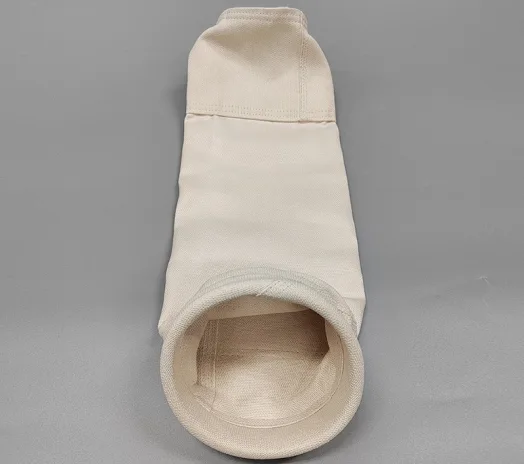
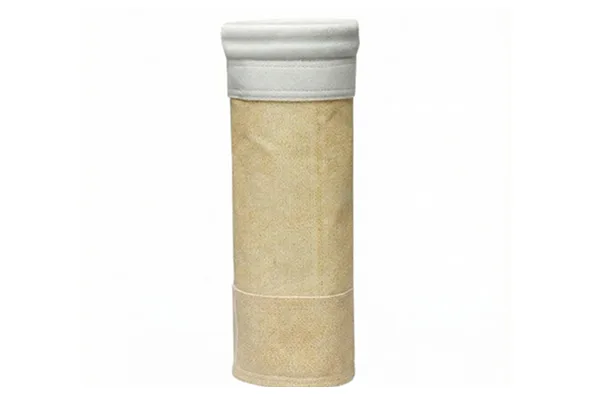
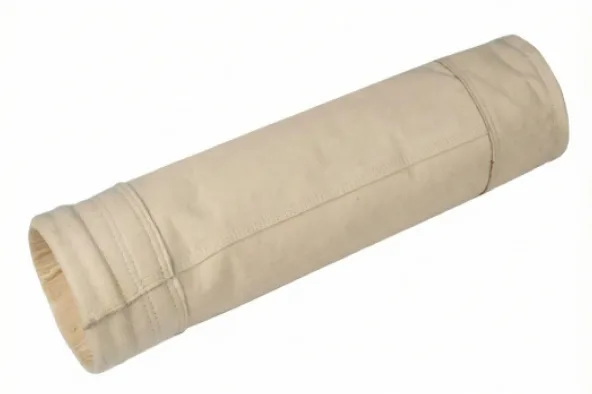
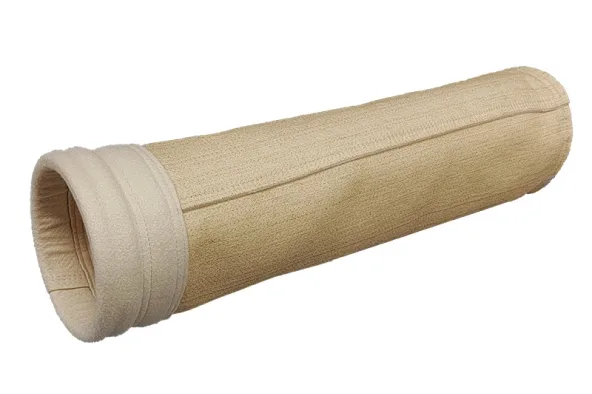
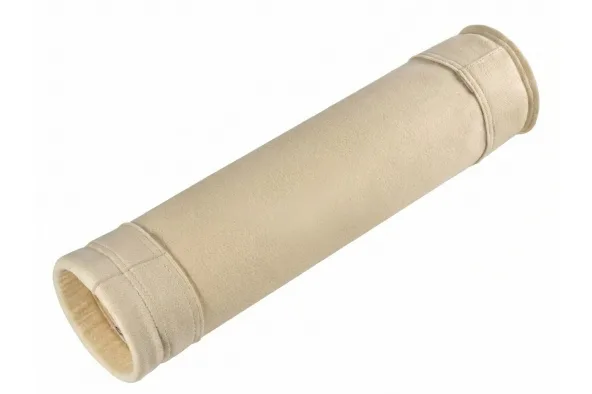
Fiberglass High-Temperature Dust Filter Bag

Fiberglass Filter Bags Overview

Fiberglass filter bags are built for one thing: staying stable when the gas stream is hot, dusty and unforgiving.Unlike organic fibers, fiberglass is an inorganic glass fiber with a very low thermal expansion and high tensile strength, so the bags keep their shape and performance even when the baghouse is pushed close to its design limits.
At Omela Filtration, we use high-grade E-glass and C-glass yarns, combined with carefully selected scrims and surface treatments, to deliver long-life bags for cement kilns, power plant boilers, non-ferrous smelters and waste-to-energy incinerators. The result is a media that tolerates continuous service temperatures in the 230–260 °C range (up to about 280 °C for specific woven constructions) when the application is correctly engineered.

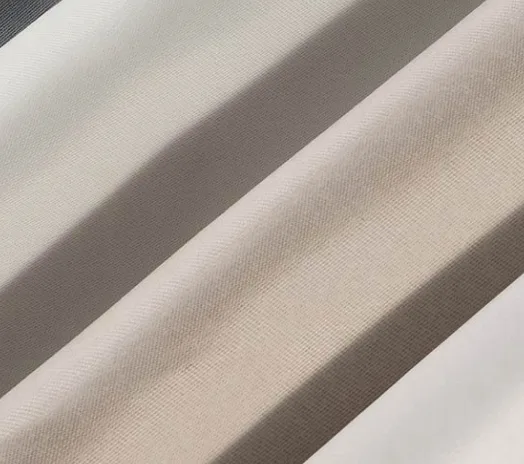
  • Media types: Woven fiberglass fabric and non-woven fiberglass needle felt
  • Typical continuous temperature: 230–260 °C, with short peaks higher depending on finish and design
  • Key strengths: High temperature resistance, excellent dimensional stability, strong tensile strength, good resistance to many industrial acids and gases
  • Limitations: Not recommended where hydrofluoric acid or strong hot alkali is present; careful handling needed to avoid flex-fatigue

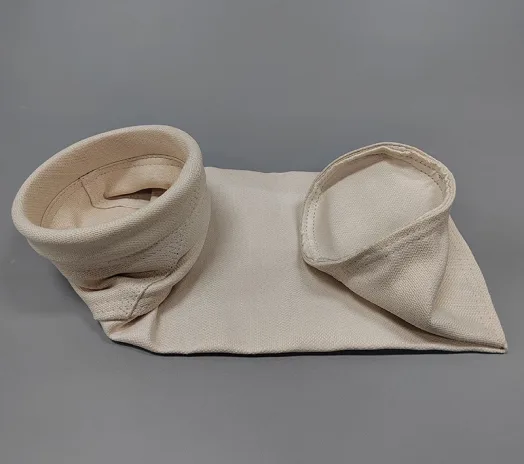
Key Performance Benefits

01
High temperature resistance

Fiberglass filter bags can operate continuously around 230–260 °C, with short-term peaks above this depending on fabric style and finish. In real plants, this means they can sit comfortably on kiln exhaust, preheater towers, metallurgical furnaces or FGD bypass lines where polyester, acrylic or standard aramids would quickly soften or lose strength.

02
Strong mechanical strength & low stretch

The glass yarns provide very high tensile strength with minimal elongation. In practice, that translates into: ① Less bag elongation over time ② Better control of bag-to-cage clearance ③ Lower risk of bag failures caused by mechanical creep In installations with heavy dust loading or high can velocity, this stability is a major advantage.

03
Stable dimensions at temperature

Because fiberglass has a low thermal expansion, the fabric keeps its shape even when the plant is cycling. Bags do not “grow” and rub excessively against cages, so the risk of abrasion holes is reduced when the system is well designed.

04
Chemical resistance in real industrial flue gas

Fiberglass is generally resistant to many industrial acids, solvents and combustion gases found in cement, power and chemical processes, except for HF and strong hot alkali. When combined with the right surface treatment, fiberglass bags can run for years in sulfur-bearing flue gas without suffering the same hydrolysis or embrittlement that affects some organic fibers.

05
High filtration efficiency with the right finish

With suitable calendering or membrane/coating, fiberglass bags develop a dense, stable dust cake: ① Fine particles are captured on the surface rather than embed into the depth of the fabric ② Cleaning becomes more predictable ③ Pressure drop is easier to control over the life of the bags For many operators, this combination of high capture efficiency and manageable ΔP is the main reason to choose fiberglass for critical emission lines.

Technical Data Table

ITEM OM–FG180M OM–FG240M OM–FG240M+
Working temperature (°C) 180 240 200
Peak temperature (°C) 220 260 240
Emission (mg) / / /
Weight (g/m²) ≥900 ≥900 ≥900
Thickness (mm) 3.2±10% (3.0±10%) 3.2±10% (3.0±10%) 3.2±10% (3.0±10%)
Air permeability (m³/m²/min) 15–28 (2–5) 15–28 (2–5) 15–28 (2–5)
Tensile strength / warp ≥1500 ≥1500 ≥1500
Tensile strength / weft ≥1500 ≥1500 ≥1500
Tensile elongation / warp ≤10 ≤10 ≤10
Tensile elongation / weft ≤10 ≤10 ≤10
24–hour heat shrink / warp ≤1.5 ≤1.5 ≤1.5
24–hour heat shrink / weft ≤1.0 ≤1.0 ≤1.0
Post–processing PTFE Dipping / PTFE Membrane

Delivering Stable High-Temperature Filtration Through Expertise and Robust Fiberglass Media

95%
Filtration Efficiency

High-efficiency dust capture for kilns, boilers and other harsh high-temperature processes.

260 °C
High Temperature Resistance

Continuous operation up to 240 °C with peaks to around 260 °C, maintaining fabric strength and dimensional stability.

95% 260 °C PPS Aramid Fiberglass P84 Temperature Limit Filtration Efficiency

INDUSTRIAL
APPLICATIONS

Fiberglass filter bags are used wherever the gas stream is hot, dusty and chemically aggressive, but still within the safe chemistry window for glass. If your process runs close to 240–260 °C most of the time, fiberglass is usually one of the first materials we evaluate.

Cement plants

Cement plants

Kiln, preheater and clinker cooler baghouses

Power plants

Power plants

Coal-fired and biomass boilers, especially in high-temperature sections or FGD bypass systems

Waste-to-Energy (WTE)

Waste-to-Energy (WTE)

Municipal and industrial waste incinerators where emission limits are tight and gas chemistry is carefully controlled

Engineering Support & Customization

Engineering card image

Pre-Project Technical Support

  • Assessment of extreme high-temperature gas conditions (200–280 °C) for pure or PTFE-treated fiberglass
  • Review of flue gas chemistry to evaluate acid dew point, alkali loading and corrosion risk
  • Filtration efficiency, pressure-drop and cage compatibility prediction for woven/needle-felt fiberglass
  • Guidance on selecting C-glass vs. E-glass media based on temperature, chemistry and mechanical duty
  • Supply of trial fiberglass bags for on-site evaluation in kilns, boilers or chemical processes
Engineering card image

Custom Engineering Solutions

  • Custom fiberglass media options: woven, needle-felt, PTFE-dipped or PTFE-membrane laminated
  • Enhanced stitching and seam design to compensate for low elongation and improve pulse-jet durability
  • Surface finishes such as singeing, calendering, PTFE coating or graphite treatment for smoother cake release
  • Anti-corrosion design optimisation for flue gas containing chlorides, SO₂/SO₃ or alkali vapours
  • Retrofit engineering for cement kilns, power-plant boilers, incinerators and chemical reactors
Engineering card image

Production & Quality Assurance

  • Controlled heat-setting to stabilise fiberglass structure and reduce shrinkage at 240–260 °C
  • Permeability, tensile strength and glass-fiber integrity testing for every media batch
  • High-temperature aging simulation to validate long-term performance under thermal cycling
  • PTFE coating and membrane-bonding performed under strict process control for maximum durability
  • Compliance with EN, ISO and industrial emission standards for cement, power, chemical and metallurgy sectors
LET’S WORK TOGETHER

Why Choose Omela Filtration?

Choosing the right filtration supplier affects everything from system stability to maintenance downtime. At Omela Filtration, we combine reliable materials, controlled production, and years of industry experience to support dust and liquid filtration needs across different plants and applications.

We use consistent-grade filter media, sewing thread and metals sourced from qualified suppliers. Each batch is checked for weight, thickness, air permeability and tensile strength to keep performance steady across shipments.

Our facility is equipped with modern sewing lines, hot-welding machines and automated inspection tools. This keeps production efficient and helps us meet tight delivery schedules, even on custom orders.

Our engineers and technicians have long experience with dust collectors, liquid systems and industry-specific conditions. They help you match materials to temperature, chemistry and air-to-cloth ratios to avoid unnecessary failures.

From sampling to documentation and shipping, our team responds quickly and keeps information clear. Customers in cement, asphalt, power and water-treatment plants rely on our service to resolve problems without delay.

From the first technical discussion to installation and long-term maintenance, our team stays involved at every stage. We analyze your operating conditions, adjust product designs when needed, and ensure the final filtration setup works reliably in real plant environments. After delivery, our service team continues to provide guidance and troubleshooting support, helping you keep your system stable and downtime low.


Donaldson
nederman
camfil-apc
cnbm
ACC
Metso

Frequest Asked Questions

1. What is the difference between woven and needle-felt fiberglass filter bags?
2. Which option performs better under high temperatures?
3. What surface treatments are available, and why are they important?
4. What is the difference between C-glass and E-glass fiberglass media?
5. How do glass types and surface treatments work together?
6. How do I select the right fiberglass bag for my application?
5/5 - (5 votes)

Trusted by Industries
Worldwide

With 20+ years of experience and 1000+ global clients, we deliver stable filtration performance and dependable dust-collector operation.