Cement Industry Dust Filtration Solutions
Cement Industry Dust Filtration Solutions
At Omela, we deliver high-temperature, abrasion-resistant, and high-efficiency filtration solutions designed specifically for cement plants—including kiln, raw mill, clinker cooler, and finish mill dust collection systems. Our full life-cycle support covers system design, filter bag selection, production, on-site commissioning, and long-term optimization.
Working in extremely harsh environments, cement plants face demanding air pollution control challenges. Our solutions ensure stable differential pressure, longer filter bag service life, and improved environmental compliance.
Cement Production Process & Filtration Challenges
Cement production involves multiple process stages with very different dust characteristics, temperatures, and operating conditions.
Raw Material Handling & Raw Mill
- High dust loading
- Abrasive particles
- Continuous operation
Kiln & Preheater System
- High-temperature flue gas
- Fine and adhesive dust
- Chemically active components
Clinker Cooler
- Elevated temperatures
- Severe abrasion
- Variable airflow conditions
Cement Grinding & Finish Mill
- Fine particle size
- Dust blinding tendency
- Stable differential pressure
Material Transfer & Packing
- Frequent start-stop operation
- Localized dust sources
- Space constraints
Engineered Solutions
Omela Filtration Solutions for Cement Plants
Cement kilns, preheaters, clinker coolers, and finish mills operate under extremely harsh conditions. Omela provides complete filtration solutions to help cement plants control emissions, stabilize differential pressure, and extend filter bag service life.
From media selection to cage design and baghouse optimization, our engineers work closely with your team to tailor the right combination of filter bags, coatings, and hardware for each process section. This ensures reliable operation, fewer shutdowns, and lower total cost of ownership (TCO).
Whether you are upgrading an existing baghouse, converting from ESP to bag filters, or troubleshooting chronic dust collector problems, Omela delivers proven, field-tested solutions for cement industry applications.
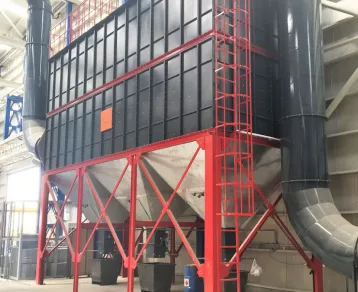
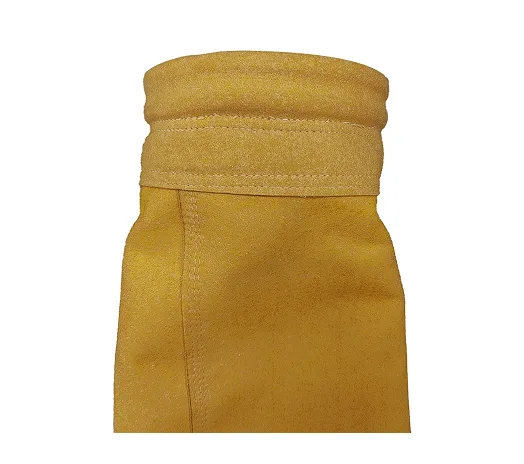
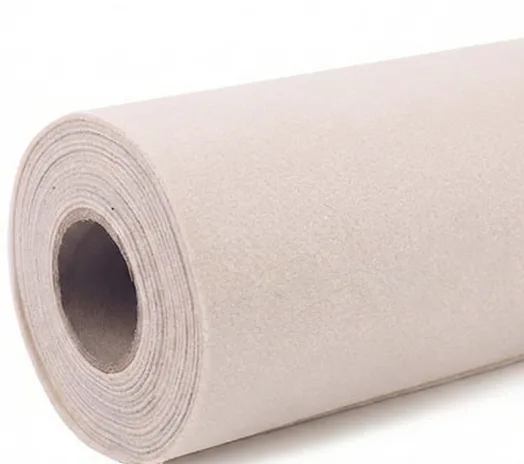
Typical Operating Conditions in Cement Plant Baghouses
| Process Section | Location | Normal Gas Temp. | Peak Temp. | Dust Characteristics | Operating Mode |
| Raw Mill | Raw mill outlet / separator | 90–130 °C | 150 °C | Fine, mildly abrasive, slightly alkaline | Intermittent (mill on/off), varying moisture |
| Preheater | Preheater tower exit gas | 180–220 °C | 230–240 °C | Very fine dust, high alkalinity, sticky at times | Continuous, high dust loading |
| Rotary Kiln | Kiln / bypass gas | 220–260 °C | 280–300 °C | High-temperature, chemically aggressive, alkali & chlorides | Continuous, thermal shocks during upsets |
| Clinker Cooler | Cooler vent air | 180–220 °C | 240–260 °C | Coarse, highly abrasive clinker dust | Continuous, high abrasion on bags & cages |
| Finish Mill | Cement mill outlet / separator | 80–110 °C | 130 °C | Very fine cement dust, risk of blinding | Intermittent, fine particles, low–medium temp |
Recommended Filter Bag Constructions for Cement Applications
| Process Section | Recommended Media | Felt Weight | Finish / Surface Treatment | Typical Bag Design | Cage Recommendation |
| Raw Mill | Aramid needle felt | 500–550 g/m² | Calendered, singed, optional PTFE finish | Snap-band top, double-stitched seams | Carbon steel, 10–12 vertical wires, venturi |
| Preheater | Aramid or P84/aramid blend | 500–600 g/m² | PTFE surface treatment to reduce blinding | Reinforced top cuff, wear patches at cage contact points | Carbon or stainless steel cage, reinforced bottom ring |
| Rotary Kiln / Bypass | P84 or fiberglass with PTFE membrane | 800–900 g/m² (fiberglass); 500–550 g/m² (P84) | PTFE membrane, anti-acid & alkali treatment | High-temperature seams with PTFE sewing thread | Stainless steel cage, 12–16 wires, heavy-duty design |
| Clinker Cooler | Aramid or high-abrasion polyester | 500–550 g/m² | Anti-abrasion finish, singed outside | Extra wear patches on inlet side, reinforced bottom | Thicker wire cage, close pitch to minimize bag movement |
| Finish Mill | Polyester or aramid with PTFE membrane (if low emission required) | 500 g/m² | Calendered, PTFE membrane for ultra-low emissions | Standard pulse-jet bags, snap-band top | Standard cage with venturi |
200 t/d Cement Plant – Kiln Baghouse Upgrade in Indonesia
The existing kiln baghouse was suffering from unstable differential pressure, visible stack emissions, and frequent filter bag failures due to high-temperature, alkali-rich dust.
The plant needed a cost-effective upgrade to meet local emission regulations and reduce unplanned shutdowns.
Operating Conditions & Challenges
| Gas Temperature | 230–260 °C (peak 290 °C) |
| Dust Loading | 50–70 g/Nm³, fine and highly alkaline |
| Dust Characteristics | High alkali & chlorides, moderate SOx/NOx |
| Air-to-Cloth Ratio | 1.0–1.2 m/min |
| Existing Emissions | ≈ 55–65 mg/Nm³ |
| Existing DP | 1,800–2,200 Pa, unstable |
Omela Engineering Solution
- Filter Media & Bag Design
- Cage & Hardware Upgrade
- Pulse Jet Cleaning Optimization
- Leak Detection & Sealing
After the upgrade with Omela’s P84 bags and baghouse tuning, we no longer worry about frequent bag failures.
Emissions are stable below 20 mg/Nm³ and our kiln operation has become much more reliable.”
60%

Annual Cost Reduction
Lower bag replacement, fewer shutdowns, and reduced compressed air usage cut overall kiln baghouse operating cost by up to 60%.
Measured Results
| Parameter | Before Upgrade | After Omela Solution |
| Stack Emissions | 55–65 mg/Nm³ | 14–18 mg/Nm³ |
| Differential Pressure | 1,800–2,200 Pa (unstable) | 1,150–1,350 Pa (stable) |
| Filter Bag Service Life | 10–12 months (average) | Target 30–36 months (projected, based on first 12 months) |
| Unplanned Shutdowns | 4–5 per year | 1 per year (for inspection only) |
| Compressed Air Consumption | 100% | ≈ 15% reduction |
Reduce
Filtration Costs
Significantly
Longer bag life, fewer change-outs, and lower total cost of ownership (TCO). Let our experts show you how much you can save.
Frequest Asked Questions
Common causes of high differential pressure include:
- Moisture condensation during raw mill start/stop cycles
- Dust blinding caused by fine cement particles
- Insufficient pulse cleaning pressure
- Air leakage in compartments or ducting
- Overloaded air-to-cloth ratio
- Cage misalignment causing abrasion and dust buildup
A detailed operating condition assessment is needed to identify the root cause.
For high-temperature and chemically aggressive sections, the
recommended materials are:
- P84 – excellent resistance to alkali and chlorides
- Fiberglass with PTFE membrane – high stability at 240–260°C
- P84/Aramid blends – balanced performance and cost
These materials remain stable during temperature peaks of 280–300°C.
PTFE membrane provides:
- Surface filtration
- Ultra-low emissions (<10 mg/Nm³ achievable)
- Faster cleaning cycles
- Lower differential pressure
- Reduced energy consumption
It is especially effective in finish mill and cement packaging applications.
Typical failure modes include:
- Thermal shock from rapid temperature fluctuations
- Chemical attack from alkali, chlorides, SOx, and NOx
- Severe abrasion from coarse clinker dust
- Poor cage condition causing mechanical wear
- Improper seam construction or low-temperature sewing thread
Upgrading to P84 or PTFE-coated fiberglass bags significantly improves lifespan.
Typical ranges are:
- 1000–1500 Pa for kiln, preheater, and cooler systems
- 800–1200 Pa for raw mill or finish mill baghouses
Values above these ranges indicate blinding, air leaks, or cleaning issues.
Raw mill cycles often cause:
- Temperature swings leading to thermal stress
- Moisture variation resulting in bag blinding
- Condensation risk during low-temperature operation
- Unstable dust loading impacting DP
PTFE membrane and hydrophobic treatments help stabilize performance.
Aramid is suitable for:
- Preheater
- Raw mill
- Clinker cooler
P84 is preferred for:
- Kiln exhaust
- Bypass systems
- High alkali / chloride environments
Many plants use a combined aramid + P84 strategy to balance cost and performance.
Common causes include:
- Cage damage or corrosion tearing the bag
- Improper snap-band sealing at the tubesheet
- Damaged venturi reducing pulse efficiency
- Air leaks in hoppers, ducts, or compartments
- Poor pulse jet tuning
A mechanical inspection is required, not just a bag replacement.
Recommended inspection intervals:
- Solenoid coils: every 3–6 months
- Pulse valve diaphragms: every 6–12 months
- Compressed air filters/drains: monthly
Faulty cleaning valves directly cause high DP and reduced bag life.
Typical ranges are:
- 12–24 months for preheater & kiln systems
- 18–36 months for raw mill
- 24–48 months for finish mill
Service life depends on operating stability, cleaning efficiency, and bag construction.