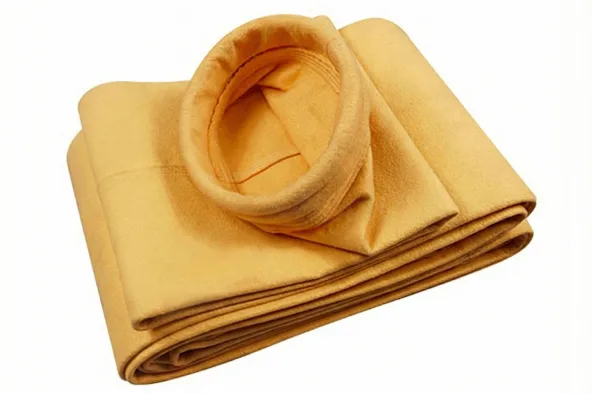
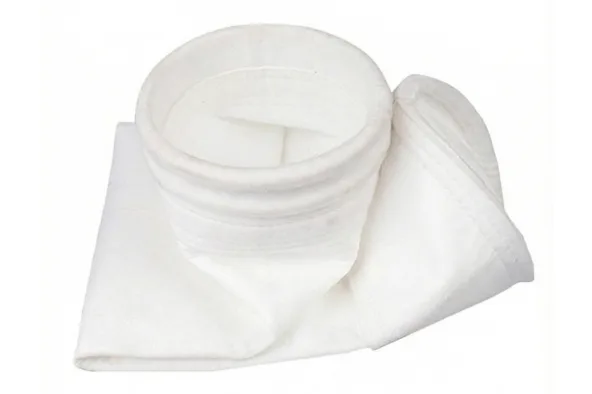
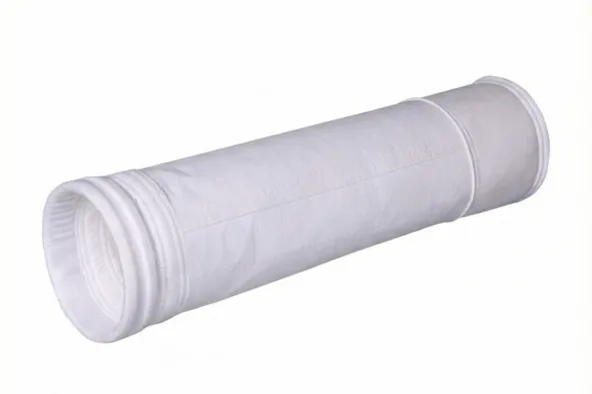
PPS Filter Bags

PPS Filter Bags Overview

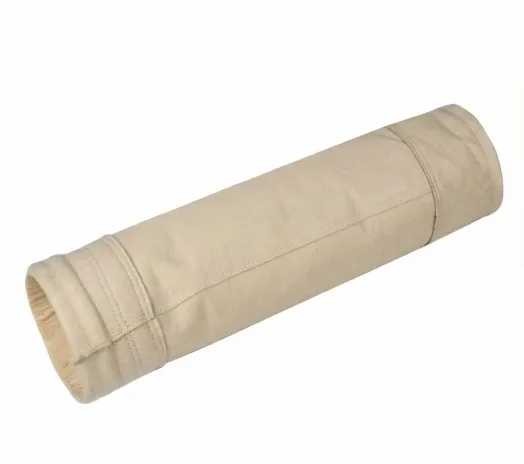
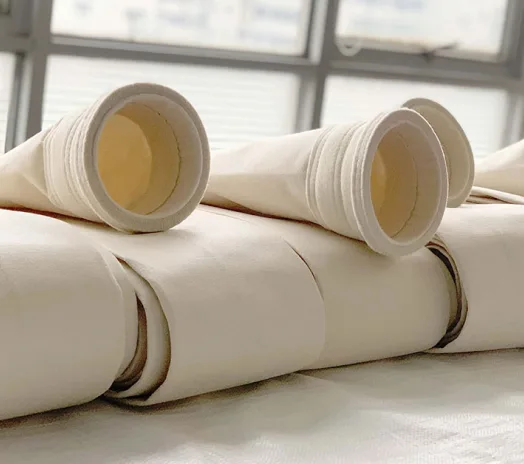
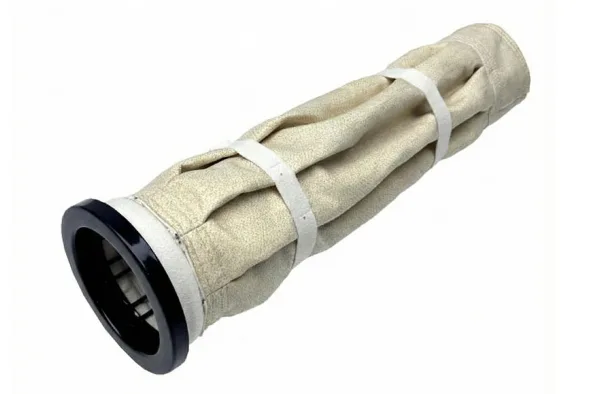
PPS dust filter bags are engineered for demanding industrial processes where hot, chemically aggressive flue gases quickly destroy conventional filter media. Made from polyphenylene sulfide (PPS) needle-punched felt, they offer a stable balance of temperature resistance, chemical durability, and mechanical strength—ideal for coal-fired boilers, cement kilns, waste-to-energy plants, and many metallurgical processes.

Compared with polyester or acrylic felts, PPS maintains its tensile strength, dimensional stability, and filtration performance at significantly higher temperatures. Unlike many “general-purpose” high-temperature fabrics, PPS also withstands acidic and alkaline gas components in the presence of moisture, making it a reliable choice for real-world baghouse conditions where gas chemistry can change from hour to hour.

  • Temperature: Continuous 160–190 °C, Peaks 200–210 °C
  • Material: PPS needle-punched felt; optional PTFE membrane or surface finishes
  • Stability: Low shrinkage, strong dimensional retention under long-term heat
  • Chemistry Resistance: Performs well with SO₂, NOx, acidic vapours, and many solvents
  • Moisture Tolerance: Suitable for moderate-moisture flue gas in boilers & kilns
  • Mechanical Performance: Good abrasion resistance; maintains strength through repeated pulse cleaning
  • Ideal for:
    Coal & biomass boilers | CFB boilers | Cement & lime kilns |
    Waste-to-Energy | Metallurgy | Chemical & fertilizer plants

Key Performance Benefits

01
Stable Filtration Efficiency Under Tough Conditions

PPS needle-felt forms a robust, depth-filtering structure that traps fine particulate while allowing stable airflow. Even as dust loading fluctuates, PPS bags maintain consistent collection efficiency and predictable pressure drop, helping you keep emissions within permit limits without constant adjustment.

02
Confidence in High-Temperature Operation

Where polyester, acrylic or other low-temperature felts quickly harden, shrink, or crack, PPS remains in its comfort zone. In flue-gas temperatures between roughly 160 and 190 °C, PPS maintains its mechanical strength and flexibility over many thousands of operating hours—reducing the risk of sudden bag failures and unplanned shutdowns.

03
Resistance to Acidic and Alkaline Gas Components

PPS is inherently resistant to many acids, alkalis and solvents found in boiler and kiln exhaust. This makes PPS bags suitable for coal and biomass combustion, waste incineration, and chemical processes where gas chemistry may contain corrosive components that would rapidly degrade standard fibres.

04
Lower Pressure Drop and Fan Energy Demand

With the right surface finish and A/C ratio, PPS fibres build a uniform, easy-to-clean dust cake. After each pulse cycle, the residual layer is relatively thin, helping maintain low pressure drop across the filter. Lower ΔP means reduced fan load, improved airflow uniformity across compartments, and more stable production rates.

05
Longer Service Lifetime and Fewer Change-Outs

In real plants, well-engineered PPS filter bags often deliver a significantly longer service life than polyester or blended media used under similar conditions. Fewer bag changes reduce labour intensity, scaffolding and downtime, while enabling more predictable maintenance planning and lower lifecycle filtration cost.

06
Omela Engineering Behind Every PPS Bag

Every PPS bag produced by Omela Filtrations is matched to the cage design, air-to-cloth ratio, gas chemistry, and cleaning system of your actual baghouse. Each production batch is tested for weight, permeability, tensile strength, and seam integrity. The result is a PPS bag tuned to your process—backed by Omela’s engineering support rather than “just another PPS filter.”

Technical Data Table

ITEM OM–PPS160N OM–PPS160T OM–PPS160D OM–PPS160E OM–PPS170D
Working temperature (°C) 160 160 160 160 170
Peak temperature (°C) 190 190 190 190 200
Emission (mg) / / 10 5 /
Weight (g/m²) 550±5% 550±5% 580±5% 530±5% 650±5%
Thickness (mm) 2.0±10% 2.0±10% 2.2±10% 1.9±10% 2.0±10%
Air permeability (m³/m²/min) 16±20% 16±20% 11±20% 13±20% 10±20%
Tensile strength / warp ≥900 ≥900 ≥900 ≥900 ≥900
Tensile strength / weft ≥1200 ≥1200 ≥1200 ≥1200 ≥1200
Tensile elongation / warp ≤25 ≤25 ≤25 ≤25 ≤25
Tensile elongation / weft ≤50 ≤50 ≤50 ≤50 ≤50
24–hour heat shrink / warp ≤1.5 ≤1.5 ≤1.5 ≤1.5 ≤1.5
24–hour heat shrink / weft ≤1.0 ≤1.0 ≤1.0 ≤1.0 ≤1.0
Post–processing Heat Setting / Singeing / PTFE Membrane

Delivering High-Temperature, Chemically Resistant Filtration Through Expertise and Engineered PPS Media

190 °C
High-Temperature PPS Stability

Continuous service up to around 190 °C with short peaks near 200 °C, while PPS needle felt maintains strength and dimensional stability in demanding boiler and kiln flue gas.

10 mg
Low Dust Emissions in Real Plants

Optimised PPS felt, surface finish and bag design help baghouses achieve stack dust levels at or below 10 mg/Nm³ in well-tuned systems, keeping plants compliant and cleaner.

190 °C ≤10 mg/Nm³ Polyester Acrylic Aramid PPS Pressure / Emission Index Filtration Efficiency

INDUSTRIAL
APPLICATIONS

From coal-fired boilers and cement kilns to waste incineration and metallurgical reactors, PPS filter bags deliver reliable dust control wherever hot, chemically aggressive flue gases are present.

Waste Incineration & WtE Plants

Waste Incineration & WtE Plants

Municipal and industrial waste streams can create extremely aggressive gas chemistry. PPS filter bags, often with PTFE membrane or special surface treatments, offer a robust option for many incineration systems where both temperature and chemistry challenge conventional filters.

Cement & Lime Kilns

Cement & Lime Kilns

Kiln exhaust combines fine, alkaline dust with elevated temperatures and cyclic operation. PPS bags resist the combination of abrasion and alkali attack, helping maintain low differential pressure and reliable dust capture in raw mill, kiln, and clinker cooler baghouses.

Metallurgy, Foundries & Chemical Processing

Metallurgy, Foundries & Chemical Processing

Smelters, foundries, and chemical reactors release hot fumes containing metal oxides and corrosive components. PPS bags help protect downstream equipment and meet workplace and environmental limits, even when process conditions and gas composition vary throughout the day.

Engineering Support & Customization

Engineering card image

Pre-Project Technical Support

  • Assessment of operating temperature and oxygen levels to confirm PPS suitability (160–190 °C)
  • Flue-gas chemistry evaluation to compare PPS vs. PPS+PTFE or alternative media options
  • Prediction of filtration efficiency, cleaning behavior, and long-term pressure-drop trends
  • Trial PPS filter bags available for on-site validation before full system conversion
Engineering card image

Custom Engineering Solutions

  • PPS felt weight, thickness, and finish tailored to dust characteristics and A/C ratio
  • Optional PTFE membrane, oil/water-repellent, or antistatic surface treatments
  • Reinforced stitching and cuff designs engineered for high-frequency pulse cleaning
  • Retrofit solutions for boilers, kilns, incinerators, and chemical processes without modifying cages
Engineering card image

Production & Quality Assurance

  • Tight heat-setting control to minimize shrinkage during long-term high-temperature operation
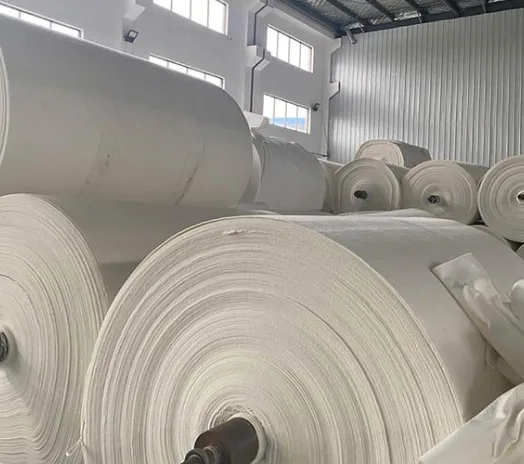
  • Permeability & tensile strength testing performed on every PPS felt production batch
  • Accelerated aging simulation under representative temperature and oxygen conditions
  • Compliance with EN, ISO, and global emission-control standards
LET’S WORK TOGETHER

Why Choose Omela Filtration?

Choosing the right filtration supplier affects everything from system stability to maintenance downtime. At Omela Filtration, we combine reliable materials, controlled production, and years of industry experience to support dust and liquid filtration needs across different plants and applications.

We use consistent-grade filter media, sewing thread and metals sourced from qualified suppliers. Each batch is checked for weight, thickness, air permeability and tensile strength to keep performance steady across shipments.

Our facility is equipped with modern sewing lines, hot-welding machines and automated inspection tools. This keeps production efficient and helps us meet tight delivery schedules, even on custom orders.

Our engineers and technicians have long experience with dust collectors, liquid systems and industry-specific conditions. They help you match materials to temperature, chemistry and air-to-cloth ratios to avoid unnecessary failures.

From sampling to documentation and shipping, our team responds quickly and keeps information clear. Customers in cement, asphalt, power and water-treatment plants rely on our service to resolve problems without delay.

From the first technical discussion to installation and long-term maintenance, our team stays involved at every stage. We analyze your operating conditions, adjust product designs when needed, and ensure the final filtration setup works reliably in real plant environments. After delivery, our service team continues to provide guidance and troubleshooting support, helping you keep your system stable and downtime low.


Donaldson
nederman
camfil-apc
cnbm
ACC
Metso

Frequest Asked Questions

1. When should I choose PPS instead of polyester or acrylic filter bags?
2. Is PPS suitable for moist or acidic gas streams?
3. How long can PPS filter bags typically last in real operation?
4. How does PPS compare with PTFE or P84 in terms of performance and cost?
5. Are PPS bags compatible with my existing cages and baghouse design?
6. What information does Omela need to recommend the right PPS specification?
5/5 - (1 vote)

Trusted by Industries
Worldwide

With 20+ years of experience and 1000+ global clients, we deliver stable filtration performance and dependable dust-collector operation.