Application & Material Selection
- Choosing PET, PP, PA, fiberglass or cotton based on process chemistry
- Matching weave design to filtration duty (filter press, belt, drum, vacuum)
- Lab sample and pilot cloth supply for field evaluation
Industrial woven filter fiber cloth is one of the most widely used filtration media for solid–liquid and solid–gas separation across chemical processing, mining, metals, food industry, pharmaceutical production, and wastewater treatment.
Unlike nonwoven needle felt, woven cloth delivers a stable pore structure, predictable filtration performance, and excellent mechanical strength, making it ideal for equipment such as filter presses, belt filters, drum filters, disc filters, and vacuum filtration systems.
Woven filter cloth is produced by interlacing warp and weft yarns using polyester, polypropylene, nylon, fiberglass, or cotton.By adjusting yarn diameter, weave pattern, surface finishing, and physical properties, woven fabric can be optimized for clarity, flow rate, cake release, and service life in industrial operations.
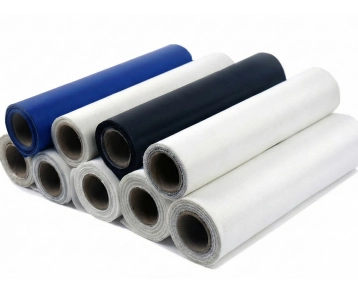
Superior stability, longer service life, and fewer cleaning cycles significantly lower maintenance cost, energy consumption, and unplanned downtime.
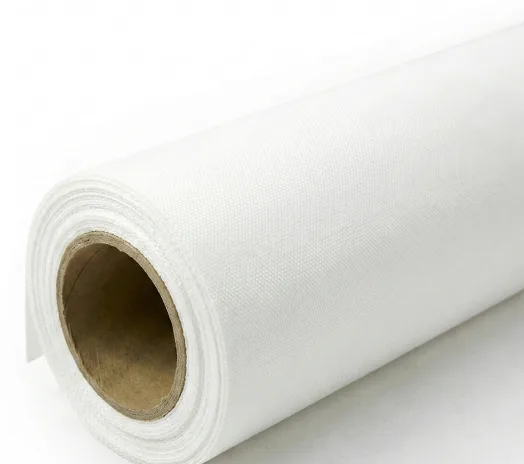
Polyester woven filter cloth is a synthetic filtration fabric made from high-strength polyester
View Details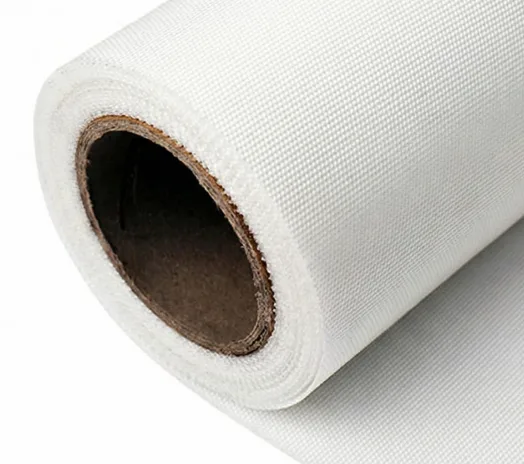
Polypropylene woven filter cloth combines lightweight design, excellent chemical resistance and robust mechanical strength
View Details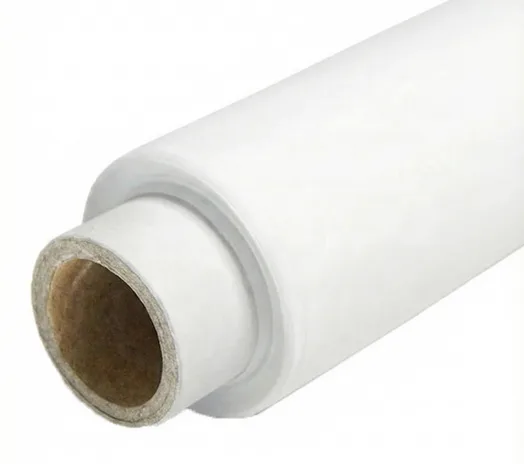
Nylon Woven Filter Fiber Cloth is a high-strength, abrasion-resistant woven filtration fabric made from polyamide
View Details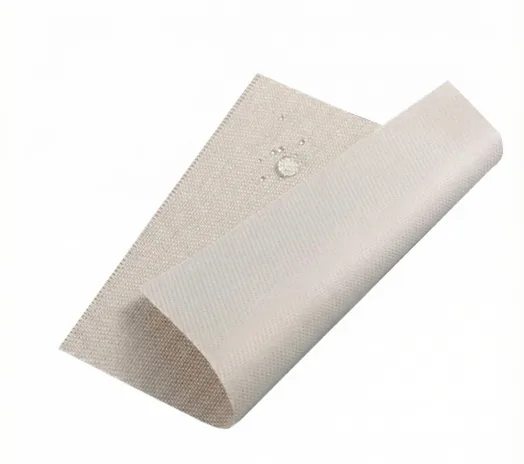
Fiberglass Woven Filter Fiber Cloth is a high-temperature, chemically stable woven filtration fabric made from glass fiber
View Details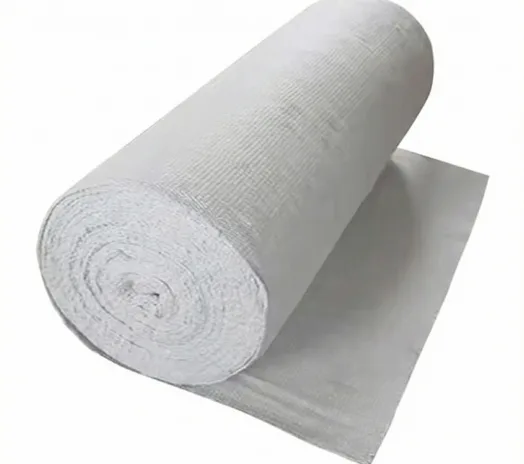
Cotton Woven Filter Fiber Cloth is a 100% natural-fiber woven filtration fabric — breathable, absorbent, and soft
View Details| Material | Working Temperature | Instant Temperature | Abrasion Resistance | Chemical Resistance | Acid Resistance | Alkali Resistance | Dimensional Stability | Relative Cost |
|---|---|---|---|---|---|---|---|---|
| Polyester Woven Filter Cloth (PET) | 130°C | 150°C | High | Good | Good | Fair | High | $ |
| Polypropylene Woven Filter Cloth (PP) | 80–95°C | 100°C | Medium–High | Excellent | Excellent | Excellent | Medium | $ |
| Nylon / Polyamide Woven Filter Cloth (PA) | 90–120°C | 130°C | Very High | Good (solvents) | Good | Middle | Medium–High | $$ |
| Fiberglass Woven Filter Cloth | 250°C | 280°C | Medium | Excellent | Middle | Fair | Very High | $$$ |
| Cotton Woven Filter Cloth | 70–90°C | 100°C | Low–Medium | Limited | Poor–Fair | Poor | Medium | $ |
Woven filter cloth is widely used across industries requiring precise particle separation, stable cake release, and long- service performance in demanding filtration equipment, including filter presses, belt filters, drum filters, and disc filters.

Woven filter cloth provides high mechanical strength and stable pore structure for filtration of mineral slurries, tailings, and concentrates.
Read More
In chemical processes, woven cloth delivers reliable acid/alkali resistance, predictable filtrate clarity, and improved cake-release behavior.
Read More
Woven filter cloth is widely used for sludge dewatering and water-treatment filtration, ensuring stable flow, controlled permeability, and long service duration.
Read MoreTypical TOC reduction when replacing basic fabrics with engineered woven filter cloth, driven by fewer change-outs, fewer cleaning cycles, and lower energy consumption.
Engineered woven filter cloth delivers up to twice the service life of basic fabrics in filter presses and belt filters, even under abrasive or chemically aggressive conditions.
Manufacturing high-performance woven filter cloth for industrial solid–liquid separation requires precise yarn selection, stable weaving tension, and tightly controlled finishing conditions. Every stage is monitored so that the final fabric delivers predictable permeability, cake release and mechanical strength in real filtration systems.
From warp preparation and weft insertion, through controlled weaving, heat-setting, calendering and surface finishing, our lines follow a standardized workflow to guarantee fabric stability and long service life. Each roll of cloth is woven on advanced looms, then finished, inspected and slit to width before being converted into filter panels or bags with accurate cutting, stitching and sealing—ensuring tight fit, efficient drainage and reliable operation.
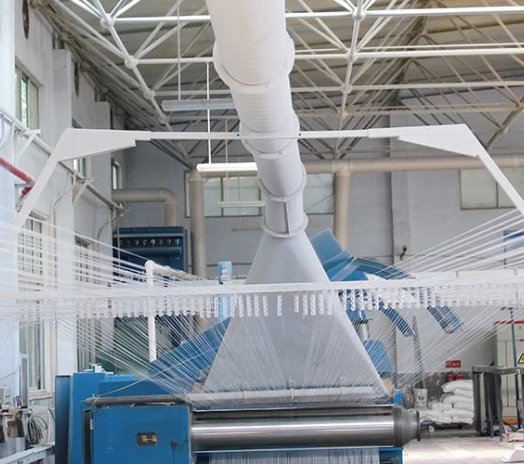
Opening, creeling and aligning warp yarns on the beam to guarantee constant yarn tension and a stable weaving base for the filter cloth.
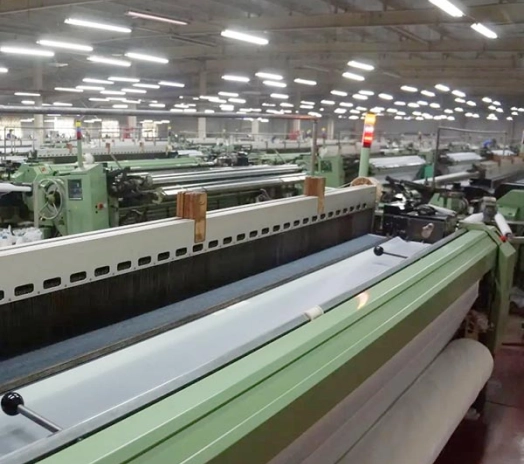
High-speed looms insert weft yarns under controlled tension, building the required weave pattern (plain, twill or satin) for the desired permeability and strength.
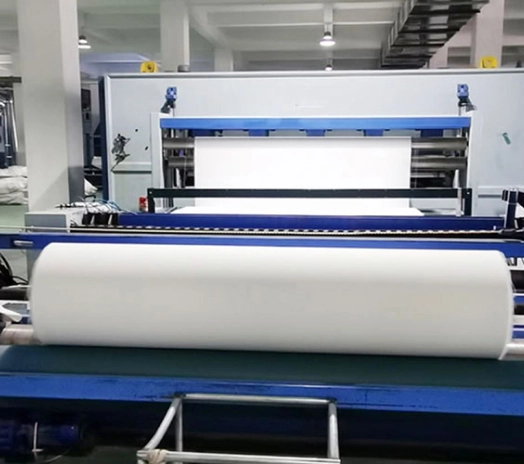
Calendering and surface finishing smooth the fabric, adjust thickness and air permeability, and improve cake release and resistance to abrasion.
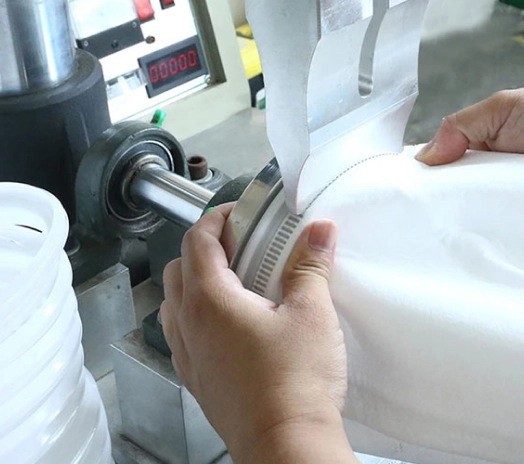
The finished cloth is slit to width, cut to panels or bag patterns, then stitched and sealed for easy installation in filter presses, drum filters or belt filters.
The performance of woven filter cloth depends strongly on the yarn material and filament characteristics. Key factors include tensile strength, abrasion resistance, chemical compatibility, moisture absorption, heat resistance, and fiber rigidity.
Different industrial processes require specific pore structures and thicknesses. Weave types such as plain, twill, and satin directly influence clarity, cake release, strength, and permeability.
Finishing treatments optimize the filtration behavior and extend fabric lifetime. Typical options include: calendering, heat-setting, singeing, anti-static treatment, oil & water repellent coating, PTFE impregnation, and membrane lamination.
A high-quality woven cloth must remain dimensionally stable during filtration cycles, pressure surges, and mechanical movement. Critical specifications include: tensile strength, elongation at break, modulus, heat-shrinkage stability, and weave tightness.
Woven cloth should always be selected based on process variables such as temperature peaks, pH level, chemical concentration, abrasive solids, slurry viscosity, and oxidation intensity.
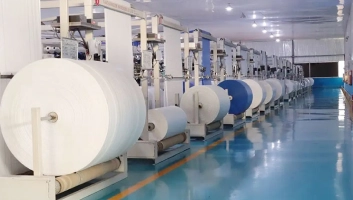
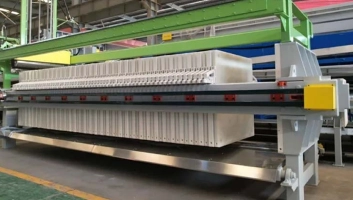
Choosing the right filtration supplier affects everything from system stability to maintenance downtime. At Omela Filtration, we combine reliable materials, controlled production, and years of industry experience to support dust and liquid filtration needs across different plants and applications.
We use consistent-grade filter media, sewing thread and metals sourced from qualified suppliers. Each batch is checked for weight, thickness, air permeability and tensile strength to keep performance steady across shipments.
Our facility is equipped with modern sewing lines, hot-welding machines and automated inspection tools. This keeps production efficient and helps us meet tight delivery schedules, even on custom orders.
Our engineers and technicians have long experience with dust collectors, liquid systems and industry-specific conditions. They help you match materials to temperature, chemistry and air-to-cloth ratios to avoid unnecessary failures.
From sampling to documentation and shipping, our team responds quickly and keeps information clear. Customers in cement, asphalt, power and water-treatment plants rely on our service to resolve problems without delay.
From the first technical discussion to installation and long-term maintenance, our team stays involved at every stage. We analyze your operating conditions, adjust product designs when needed, and ensure the final filtration setup works reliably in real plant environments. After delivery, our service team continues to provide guidance and troubleshooting support, helping you keep your system stable and downtime low.




Woven filter cloth is produced by interlacing warp and weft yarns in a regular pattern. It offers:
Needle-punched felt is made from randomly oriented fibres mechanically bonded by needling and is mainly used for gas-phase dust collection. Woven cloth is preferred for liquid filtration and dewatering in filter presses, belt and drum filters.
Selection is based on equipment type, temperature, pH, chemical composition, solid loading and target cake moisture. The table below gives some typical guidelines:
| Application | Recommended Woven Filter Cloth |
|---|---|
| General industrial wastewater, slurry dewatering | Polyester (PET) woven filter cloth |
| Strong acids, chemical effluents, fertiliser liquids | Polypropylene (PP) woven filter cloth |
| Abrasive slurries, mining & minerals | Nylon / Polyamide (PA) or heavy-duty PET |
| High-temperature or oxidising liquids | Fiberglass woven filter cloth |
| Food industry, sugar, starch, edible oil | Cotton or food-grade PET woven filter cloth |
Our engineering team can analyse your operating data and recommend the most suitable cloth design.
Common finishing options for woven filter cloth include:
Heavier fabrics usually offer higher strength, longer service life and lower risk of mechanical damage, but may have slightly higher pressure drop.
Lighter fabrics provide higher permeability and lower initial pressure drop, which is beneficial for low-pressure or high-flow systems, but they can wear out faster.
We adjust basis weight and permeability to balance flow rate, cake moisture and cloth lifetime for each application.
Yes. All fabrics have a certain level of thermal shrinkage and elastic stretch. Heat-setting and proper tension control minimise these effects.
Typical residual shrinkage at working temperature is usually kept within 1–2% for high-quality PET, PP and PA cloths, and even lower for heat-stabilised designs.
We supply a complete technical data sheet including:
Additional test reports can be provided on request for critical projects.
Yes. We can customise:
OEM roll-goods supply for filter press and belt filter manufacturers is also available.
Yes — small sample rolls, cut pieces or test cloth sets can be provided for lab or onsite evaluation before bulk production. This helps verify cake moisture, filtration rate and cloth life.
With 20+ years of solid–liquid separation know-how and hundreds of projects in mining, chemicals, food & beverage and wastewater treatment, we engineer woven filter cloth that delivers faster dewatering, lower cake moisture, stable filtrate clarity and longer cloth service life in filter presses, belt filters and vacuum filters.