Pre-Project Technical Evaluation
Omela’s engineers assess temperature windows, dust type, gas chemistry, and A/C ratio to confirm whether FMS is the right choice.
Predictive performance modeling and trial bags are available for on-site validation.
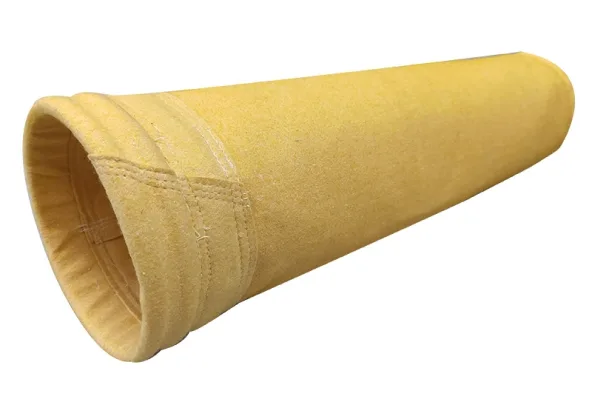
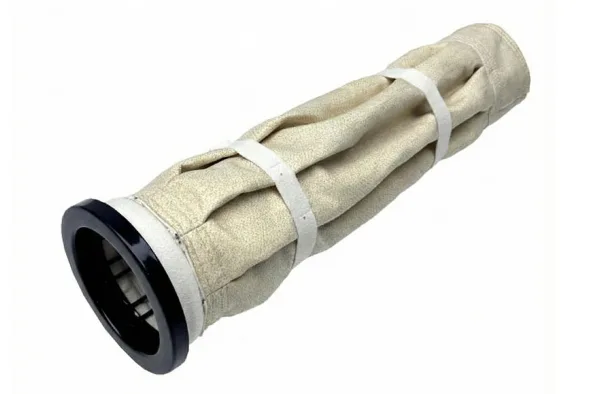
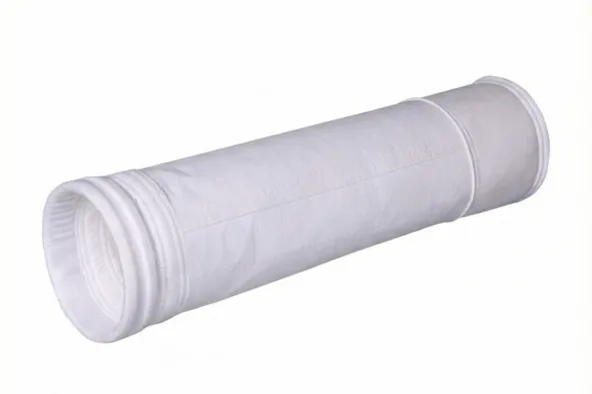
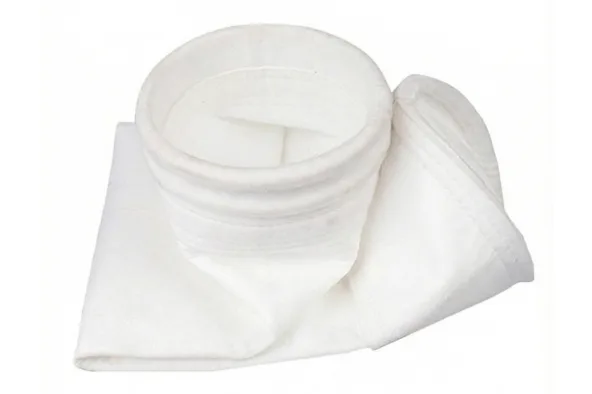
FMS Filter Bags
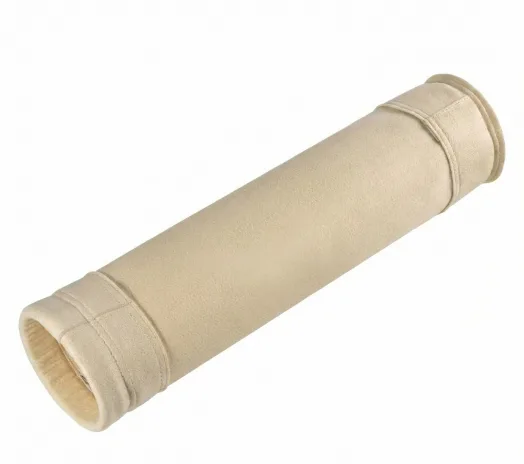
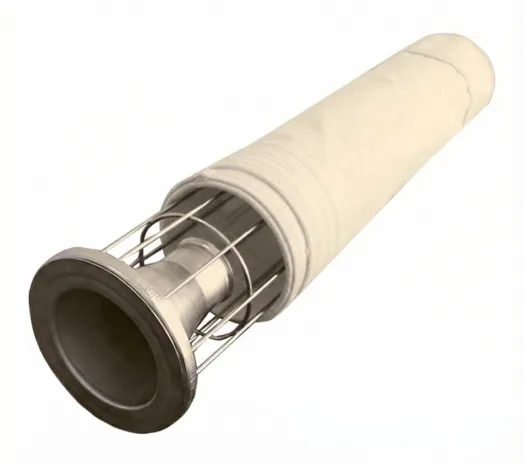
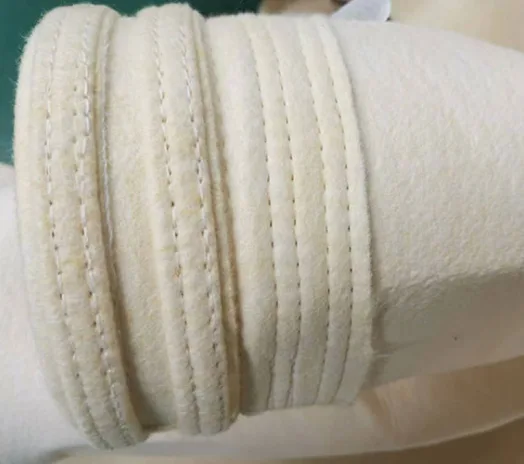
FMS filter bags are developed for processes where heat, abrasion, and corrosive gas chemistry converge—conditions that rapidly destroy conventional felts. By combining glass fiber with high-temperature resistant felts such as P84, FMS media forms a reinforced structure capable of withstanding:
Compared with basic glass-fiber felt, FMS offers superior abrasion resistance, better pulse-cleaning performance, and significantly longer lifetime in fluctuating operating conditions. It is particularly effective in high dust-loading applications and environments where temperature, chemistry, and particulate characteristics change unpredictably throughout the day.
Typical operating advantages include:
The composite depth-filter structure captures fine particulates while keeping airflow steady. Even as dust quantity fluctuates, FMS delivers predictable emissions and ΔP values.
FMS stays mechanically stable between 200 and 260 °C and tolerates thermal shocks that make ordinary felts harden, shrink, or crack. This durability reduces sudden failures and unplanned stoppages.
Acidic vapors, alkali attack, and solvent exposure—common in kilns, incinerators, chemical plants, and smelters—are conditions where FMS excels. Its composite fibers preserve tensile strength and permeability longer than standard glass felt.
With the appropriate finish, FMS develops a uniform dust cake that releases effectively during pulsing. A thinner residual layer means lower fan load, more stable airflow uniformity, and better compartment balance.
In real installations, well-engineered FMS bags frequently outperform glass-felt or polyester blends, cutting replacement frequency and enabling predictable maintenance planning—all while lowering overall filtration cost.
| ITEM | OM–FMS800 |
|---|---|
| Material | Alkali-free glass fiber chopped yarn, aramid, P84 |
| Weight (g/m²) | 800 |
| Thickness (mm) | 2.6 |
| Working temperature (instant) | 280°C |
| Working temperature (long-term) | 100–200°C |
| Breaking strength (warp) | 400N / 5×20cm |
| Breaking strength (weft) | 1600N / 5×20cm |
| Diameter size (mm) | 100, 125, 130, 150, 180, 250, etc. |
| Filter precision (μm) | 5, 10, 25, 50, 80, 100, 150, 200, 250, 300, 400, 600, 800, 1000, 1250 |
| Acidity | Excellent |
| Alkalinity | Excellent |
| Breathability (m³/m²/min) | 12–16 |
| Post–processing | Impregnation, drying, lamination, waterproofing |
FMS composite media, combining alkali-free glass fiber with high-temperature felts such as P84, tolerates instant peaks up to around 280 °C and long-term service in the 200 °C range, while maintaining dimensional stability under repeated thermal cycling.
In real cement, steel and waste-to-energy plants, well-engineered FMS bags often deliver two to three times the service lifetime of standard glass-felt or blended media, reducing change-outs, scaffolding work, and unplanned shutdowns.
From cement kilns and steel furnaces to waste-to-energy and smelting operations, FMS filter bags deliver stable emissions control wherever high temperature, abrasive dust, or corrosive flue gas is present.

Flue gas conditions in WtE plants are chemically aggressive and highly variable. FMS withstands corrosive components and abrasive ash, enabling stable compliance with tightening emission regulations.

Cement kilns generate high temperatures, fine alkaline dust, and heavy mechanical stress. FMS resists alkali corrosion, abrasive particulate, and cyclic thermal loading—ideal for kiln inlet, clinker cooler, and raw mill baghouses.

Metallurgical processes release hot fumes rich in metal oxides and corrosive vapors. FMS media protects downstream equipment and provides dependable performance even when gas chemistry shifts throughout operations.
Omela’s engineers assess temperature windows, dust type, gas chemistry, and A/C ratio to confirm whether FMS is the right choice.
Predictive performance modeling and trial bags are available for on-site validation.
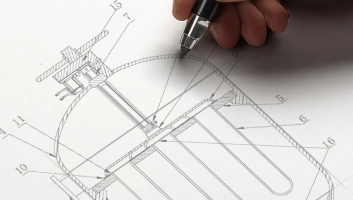
FMS composite layers (glass + P84 or other high-temperature fibers) can be tuned for abrasion resistance, permeability,
or dust-cake behavior. Optional surface treatments include membranes, anti-static finishes, and oil/water repellency.
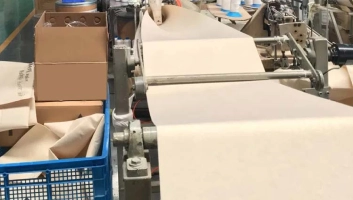
Each production batch undergoes permeability testing, tensile checks, dimensional stability assessment,
and accelerated aging simulation. Consistency in fiber blending and felt density ensures predictable
in-field performance.
Choosing the right filtration supplier affects everything from system stability to maintenance downtime. At Omela Filtration, we combine reliable materials, controlled production, and years of industry experience to support dust and liquid filtration needs across different plants and applications.
We use consistent-grade filter media, sewing thread and metals sourced from qualified suppliers. Each batch is checked for weight, thickness, air permeability and tensile strength to keep performance steady across shipments.
Our facility is equipped with modern sewing lines, hot-welding machines and automated inspection tools. This keeps production efficient and helps us meet tight delivery schedules, even on custom orders.
Our engineers and technicians have long experience with dust collectors, liquid systems and industry-specific conditions. They help you match materials to temperature, chemistry and air-to-cloth ratios to avoid unnecessary failures.
From sampling to documentation and shipping, our team responds quickly and keeps information clear. Customers in cement, asphalt, power and water-treatment plants rely on our service to resolve problems without delay.
From the first technical discussion to installation and long-term maintenance, our team stays involved at every stage. We analyze your operating conditions, adjust product designs when needed, and ensure the final filtration setup works reliably in real plant environments. After delivery, our service team continues to provide guidance and troubleshooting support, helping you keep your system stable and downtime low.





With 20+ years of experience and 1000+ global clients, we deliver stable filtration performance and dependable dust-collector operation.