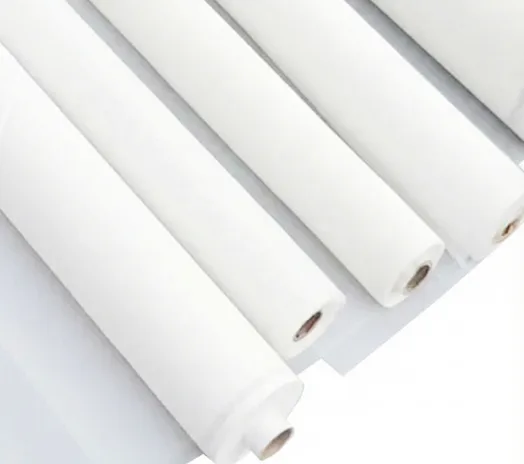
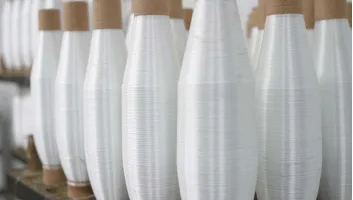
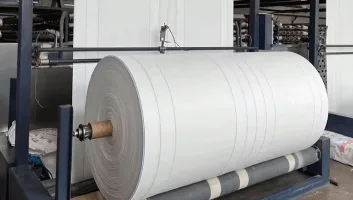
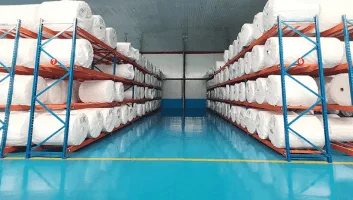
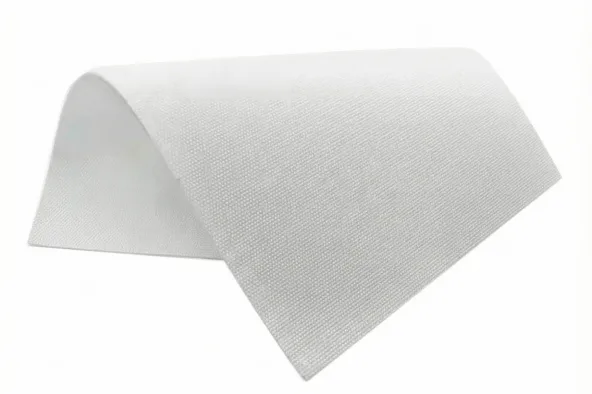
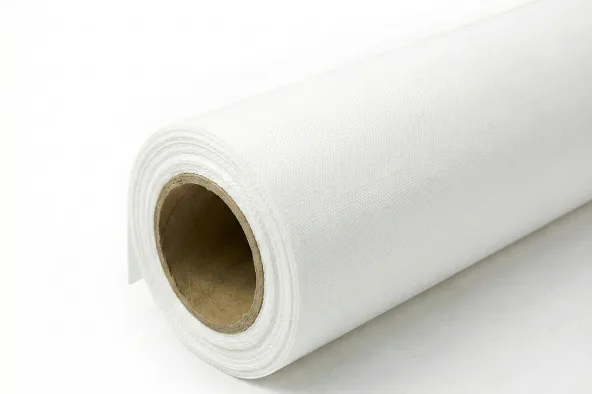
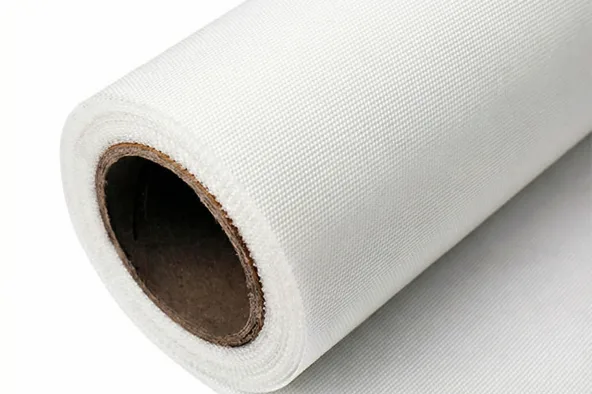
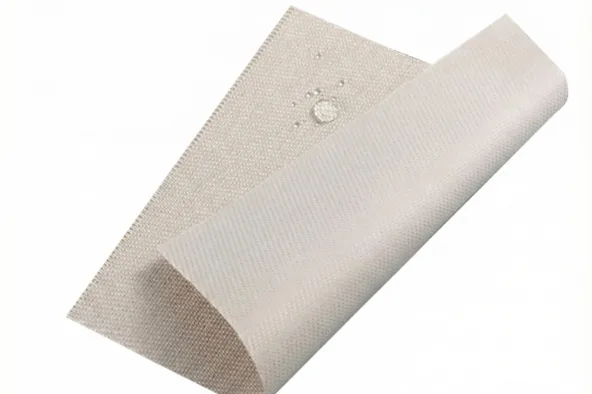
Polyamide(Nylon) Woven Filter Fiber Cloth

Nylon Woven Filter Fiber Cloth Oveview

Nylon Woven Filter Fiber Cloth is a high-strength, abrasion-resistant woven filtration fabric made from polyamide (PA / nylon). It offers excellent mechanical strength, high wear resistance, good chemical tolerance, and stable pore geometry, making it ideal for demanding solid–liquid separation applications.

Key Selection Criteria

  • Temperature: Recommended continuous use ≤ 120°C
  • Chemistry: Resistant to weak acids, oils, organic solvents, and alkaline–neutral liquids
  • Particle characteristics: Excellent for abrasive, coarse, hard particulates
  • Pore size: Wide range of openings 32–1931 μm
  • Fabric construction: Plain / Twill / Satin weave options
  • Expected service life: Long service life due to high tensile and abrasion strength

Engineered with precision weaving and strict quality control, Omela’s Nylon Woven Filter Fiber Cloth delivers stable, durable, and high-efficiency filtration across global industrial systems.
Nylon Woven Filter Fiber Cloth Key Features

01
High Mechanical Strength & Excellent Abrasion Resistance

Nylon woven filter cloth provides exceptional tensile strength and outstanding wear resistance, making it ideal for handling abrasive slurries, coarse particulates, and high-load dewatering operations. Its robust monofilament or multifilament structure maintains dimensional stability under continuous mechanical stress, ensuring reliable performance in demanding environments such as mining slurry filtration, chemical processing, and industrial wastewater treatment.

02
Good Chemical Compatibility for Industrial Liquids

Nylon offers dependable resistance to weak acids, oils, organic solvents, and neutral-to-alkaline liquids. This chemical stability supports consistent filtration efficiency in diverse liquid–solid separation processes, including food processing, chemical slurries, mineral suspensions, and general industrial fluid streams. The fabric retains strength and pore geometry even under variable pH conditions, reducing premature degradation.

03
Superior Filtration Precision with Stable Pore Geometry

With a wide selection of pore openings—from 32 to 1931 microns—nylon woven filter cloth maintains uniform pore distribution for predictable filtration performance. Its stable geometry supports efficient cake formation, improved filtrate clarity, and minimized particle bypass. This consistent filtration behavior is particularly valuable for equipment such as belt filters, filter presses, vacuum drum filters, and centrifuges.

04
Multiple Weave Patterns for Application Flexibility

Available in plain, twill, and satin weaves, nylon cloth can be tailored to match specific process requirements such as flow rate, cake release characteristics, retention efficiency, and mechanical load resistance. This flexibility ensures optimal performance across industries—from mining and mineral processing to chemical manufacturing and industrial wastewater applications.

05
Customizable GSM, Permeability & Roll Dimensions

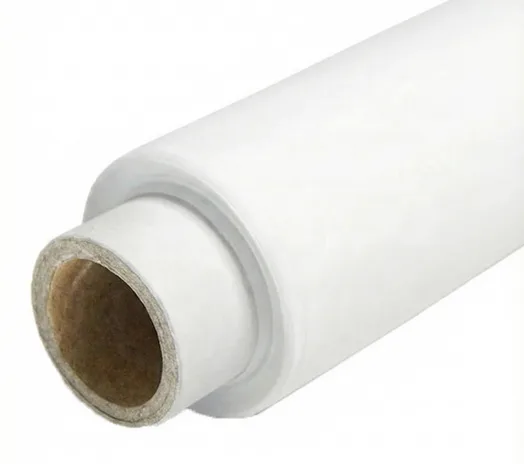
Nylon woven filter fiber cloth can be engineered with customized fabric weight (GSM), air/water permeability, and pore size to meet precise OEM or plant operating conditions. Roll widths and lengths can be manufactured according to equipment specifications, allowing seamless integration into new systems or aftermarket replacements. This level of customization ensures efficient installation and consistent process performance.

06
Long Service Life & Cost-Effective Filtration Solution

Thanks to its strong abrasion resistance, chemical durability, and structural integrity, nylon woven filter cloth delivers an extended operational lifespan even in continuous-duty applications. Its balance of performance and affordability makes it a practical choice for large-scale industrial filtration where uptime, reliability, and long-term operating cost matter.

Specifications of Monofilament Nylon Filter Cloth

MODEL .NO WEIGHT (g/m²) SPLITTING STRENGTH (N/5×20cm) SPLITTING AND ELONGATION (%) AIR PERMEABILITY (mm/s) THICKNESS (mm)
WARP WEFT WARP WEFT
PA5815 540 5340 2258 28.7 24.6 818 0.85
PA5133 590 7304 2550 37.8 26.5 619.4 1.00
PA2213 280 3111 1825 25.8 24.2 2268.36 0.52
PA2812 Dright 360 3585 2165 33.5 25.8 2239.12 0.65
PA2812 350 3780 2456

Specifications of Mutifilament Nylon Filter Cloth(01)

MODEL NO WEAVING MATERIAL DENSITY (radlx/10cm) WEIGHT (g/m²)
WARP WEFT WARP WEFT
PA407 Plain Long thread Long thread 240.8 187.2 195.4
PA663 Plain Long thread Long thread 192 156 263.8
PA601 Plain Long thread Long thread 132 160.8 222.6
PA301 Plain Long thread Long thread 275 250 106.8

Specifications of Mutifilament Nylon Filter Cloth(02)

MODEL NO SPLITTING STRENGTH (N/5×20cm) SPLITTING AND ELONGATION (%) AIR PERMEABILITY (mm/s) THICKNESS (mm)
WARP WEFT WARP WEFT
PA407 1913 1539 59.4 46.4 29.7 0.42
PA663 2307 958 71.6 20.6 28.8 0.58
PA601 2500 1776 60 29.8 223.6 0.49
PA301 2016 1981 67 62.4 114.4 0.22

INDUSTRIAL
APPLICATIONS

Made from precision-woven polyamide yarns, our nylon woven filter fiber cloth delivers exceptional tensile strength, outstanding abrasion resistance, and stable pore geometry across a wide range of industrial slurries, liquids, and solid–liquid separation processes. Its chemical compatibility with oils, weak acids, organic solvents, and alkaline-neutral media makes nylon a versatile and reliable filtration material for continuous-duty industrial environments.

Mining Slurries, Mineral Processing & Industrial Dewatering

Mining Slurries, Mineral Processing & Industrial Dewatering

Nylon woven filter cloth performs exceptionally well in high-abrasion environments, efficiently handling coarse solids, mineral fines, and high-density slurries. Its strong monofilament structure maintains dimensional stability under heavy mechanical loads, making it ideal for mining slurry filtration, tailings dewatering, ore beneficiation processes, and industrial mud separation. The cloth’s stable pore openings promote predictable cake formation, fast discharge, and reliable long-term operation.

Water & Wastewater Treatment

Water & Wastewater Treatment

Nylon filter cloth is widely used in filter presses, vacuum drum filters, belt presses, and centrifuges for municipal, industrial, and commercial wastewater treatment. Its combination of abrasion resistance, chemical tolerance, and controlled permeability supports efficient solid retention, improved filtrate clarity, and enhanced dewatering rates. Nylon’s consistent pore geometry ensures stable performance in biological sludges, chemical effluents, and general industrial wastewater flows.

Chemical Processing, Oils & Organic Solvents

Chemical Processing, Oils & Organic Solvents

Thanks to its reliable resistance to weak acids, oils, and many organic solvents, nylon woven cloth is an excellent choice for a wide range of chemical processing operations. It supports filtration of intermediate chemicals, polymer slurries, oils, resins, adhesive compounds, and other industrial fluids requiring mechanical strength and consistent filtration behavior. Its robust structure reduces product loss, prevents fiber shedding, and maintains predictable filtration performance under demanding operating conditions.

Engineering Support & Customization

Engineering card image

Pre-Project Technical Evaluation

  • Comprehensive filtration-process evaluation focused on nylon-compatible conditions, including oils, weak acids, organic solvents, and alkaline–neutral industrial liquids.
  • Assessment of particle size distribution, slurry abrasiveness, and required retention efficiency. Nylon woven cloth supports a wide filtration range from 32–1931 μm, depending on weave style and monofilament diameter.
  • Evaluation of viscosity, temperature stability (recommended ≤120°C), mechanical load, and slurry characteristics to confirm suitability for filter presses, belt presses, vacuum drum filters, and centrifuges.
  • Analysis of abrasion level and mechanical impact forces in mining, wastewater, and chemical-processing operations to ensure long service life and predictable filtration behavior.
Engineering card image

Custom Engineering Solutions

  • Customizable weave structures for nylon cloth, including plain, twill, and satin, optimized for tensile strength, permeability, cake release, and drainage behavior.
  • Adjustable engineering parameters: pore size (micron rating), yarn diameter, yarn density, mesh opening precision, air/water permeability, fabric weight (GSM), and mechanical stability to match equipment specifications.
  • Options for high-precision nylon monofilament for consistent pore geometry, or nylon multifilament for enhanced flexibility and compressibility depending on filtration needs.
  • Material and performance customization for applications involving abrasive slurries, chemical liquids, food-grade processing, or wastewater treatment, ensuring optimal matching of fabric design to real-world operating conditions.
Engineering card image

Quality Assurance & Testing

  • Micron-rating validation using optical and digital mesh-measurement systems to confirm uniform pore openings across the entire woven cloth surface.
  • Flow-rate and pressure-drop testing under controlled conditions to evaluate filtrate clarity, drainage speed, cake release behavior, and long-cycle performance in industrial liquids and slurries.
  • Mechanical testing of warp and weft tensile strength, elongation, splitting resistance, and abrasion durability, ensuring nylon’s ability to withstand continuous mechanical loads.
  • Permeability testing (air/water) to verify consistency with design targets, ensuring repeatable filtration performance in filter presses, belt filters, drum filters, and vacuum filtration systems.
  • Batch-level quality traceability including GSM, thickness, yarn density, pore size, and strength data for full compliance with industrial filtration requirements.
LET’S WORK TOGETHER

Why Choose Omela Filtration?

Choosing the right filtration supplier affects everything from system stability to maintenance downtime. At Omela Filtration, we combine reliable materials, controlled production, and years of industry experience to support dust and liquid filtration needs across different plants and applications.

We use consistent-grade filter media, sewing thread and metals sourced from qualified suppliers. Each batch is checked for weight, thickness, air permeability and tensile strength to keep performance steady across shipments.

Our facility is equipped with modern sewing lines, hot-welding machines and automated inspection tools. This keeps production efficient and helps us meet tight delivery schedules, even on custom orders.

Our engineers and technicians have long experience with dust collectors, liquid systems and industry-specific conditions. They help you match materials to temperature, chemistry and air-to-cloth ratios to avoid unnecessary failures.

From sampling to documentation and shipping, our team responds quickly and keeps information clear. Customers in cement, asphalt, power and water-treatment plants rely on our service to resolve problems without delay.

From the first technical discussion to installation and long-term maintenance, our team stays involved at every stage. We analyze your operating conditions, adjust product designs when needed, and ensure the final filtration setup works reliably in real plant environments. After delivery, our service team continues to provide guidance and troubleshooting support, helping you keep your system stable and downtime low.


Donaldson
nederman
camfil-apc
cnbm
ACC
Metso

Frequest Asked Questions

1. How do I choose the right nylon filter cloth for my process?
2. Is nylon filter cloth suitable for food or pharmaceutical filtration?
3. What quality tests are performed on nylon woven filter cloth?
4. When is multifilament nylon filter cloth the better choice?
5. When should I choose monofilament nylon filter cloth?
6. What are the main types of nylon filter cloth?
5/5 - (3 votes)

Trusted by Industries
Worldwide

Backed by 20+ years of experience and 1000+ clients, Omela Filtration provides dependable solutions for both industrial liquid filtration and dust-collection systems—ensuring stable performance, efficiency, and long-term reliability.